Kolkata is experiencing a severe heat wave with scorching temperatures and high humidity, leading to a significant aggravation of various illnesses, including chronic conditions such as COPD, asthma, and cardiac ailments. Several hospitals in the city have reported a surge in patients suffering from relapses, many of whom also face dehydration, heat exhaustion, and heat strokes due to prolonged exposure to the heat.
Rise in Diarrhoea and Dehydration Cases
Multiple hospitals have received numerous patients suffering from diarrhoea, particularly among the elderly. Heat-induced dehydration has triggered these ailments, resulting in a notable increase in outpatient department (OPD) footfalls. Charnock Hospital has experienced a crowded OPD over the last ten days. Dr. Nishant Agarwal, head of emergency at Charnock Hospital, stated, "Since the temperature started shooting up, we have received diarrhoea patients along with many suffering from dehydration. We have also treated several cases of severe heat exhaustion and dizziness. Additionally, there have been patients with urinary infections who required admission, often due to dehydration and consumption of unhygienic water while travelling, which is common in summer."
Temperature Fluctuations as a Trigger
Dr. Agarwal emphasized that it is not just the heat but the fluctuation in temperature that is triggering ailments and aggravations. "People, especially office-goers, frequently move between air-conditioned rooms and the outdoor heat, which can trigger viral ailments or worsen existing diseases, particularly respiratory ones. Respiratory illnesses are easily triggered by frequent temperature changes," he added.

Hospitals Report Increase in Patient Numbers
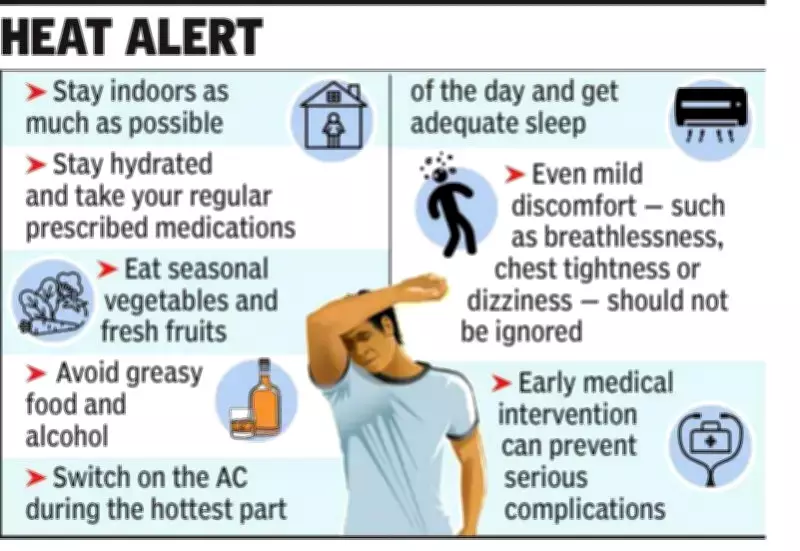
CMRI Hospital has observed a 10% rise in patients with exacerbations of existing diseases and heat-related issues. Dr. Anirban Chattopadhyay, critical care specialist at CMRI, noted, "Humidity is very high, which quickly leads to dehydration. It is crucial to stay hydrated and avoid sun exposure between 11 am and 4 pm." Desun Hospital has also witnessed an increase in OPD visits and admissions, especially among elderly patients with chronic conditions like heart failure, chronic kidney disease, and liver disease. Dr. Mohit Kharbanda, senior director of critical care and internal medicine at Desun Hospital, advised, "People should avoid sun exposure during peak afternoon hours, stay hydrated, wear light cotton clothes, and seek medical help if they experience nausea, weakness, or confusion."
Impact on Women and Children
Rising temperatures are emerging as a silent health threat for women, particularly pregnant women, working professionals, and homemakers exposed to prolonged heat during daily activities. Dr. Suparna Chowdhury, obstetrician and gynaecologist at Neotia Bhagirathi Woman and Child Care Centre, stated, "Hospitals are witnessing a noticeable increase in dehydration, dizziness, urinary infections, fatigue, headaches, and heat exhaustion among women this summer. Pregnant women are especially vulnerable as extreme heat adds physical stress and increases the risk of complications. Staying hydrated, avoiding peak afternoon exposure, wearing breathable clothing, and maintaining proper nutrition are crucial."
Children are also highly sensitive to extreme temperatures as their bodies lose fluids faster than adults. Dr. Himanish Roy, consultant paediatrician and neonatologist at Neotia Bhagirathi Woman and Childcare Centre, Newtown, advised, "Parents must prioritize hydration, light nutritious food, proper rest, daily bathing and sponging to keep the body cool, and ensure well-ventilated rooms. If using air conditioning, maintaining the temperature between 26°C and 30°C is advisable. Limiting outdoor exposure during peak heat hours is essential to keep children safe."
Special Precautions for Heart and Lung Patients
Dr. Abhijit Aich Bhaumik, senior consultant cardiologist at BP Poddar, warned, "Rising temperatures, combined with dehydration and physical exertion, can significantly strain the heart and lungs. Those with asthma, COPD, hypertension, or cardiac comorbidities must be extra cautious. Avoid stepping out during peak heat hours, maintain adequate hydration, and refrain from sudden shifts between air-conditioned rooms and outdoor heat."