

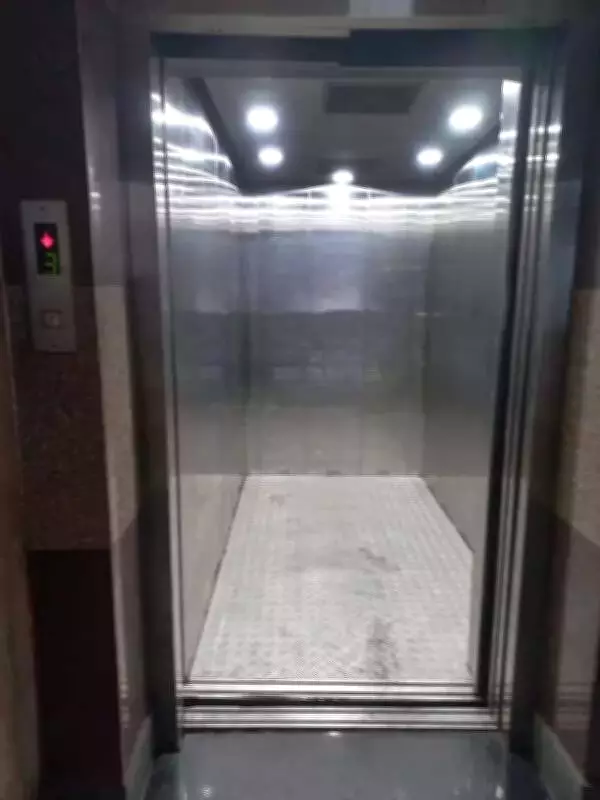
Kolkata Hospital Lifts Function Without Staff, Sparking Safety Alarms After Fatal Incident
In the wake of a tragic lift accident that claimed the life of a 40-year-old man at RG Kar Medical College and Hospital on Friday, an investigation into several other state-run hospitals in Kolkata has uncovered a concerning pattern: elevators are operational but lack dedicated liftmen. This situation compels patients' families and hospital staff, including doctors and nurses, to operate the elevators themselves, raising significant safety questions.
Widespread Absence of Liftmen Across Key Hospitals
At NRS Medical College and Hospital, a patient's wife from Canning, who requested anonymity, expressed her distress while using an elevator in the emergency building. "If any emergency happens or the lift stops due to a mechanical fault, what shall I do? Who do I call?" she questioned, highlighting the vulnerability of users. The UN Brahmachari building houses four elevators, yet no liftman was on duty, with security guards noting they are "hardly found after reporting to duty in the morning."
A doctor at NRS Hospital elaborated on the scale of the issue, stating, "There are over 20 lifts across various buildings, and the gynecology department has the highest, six lifts, where liftmen are rarely spotted. It is same in the OPD, having three lifts. The daily footfall of patients in the OPD is close to 5,000, and the lifts in NRS, like other government hospitals, are overused. So, a mechanical fault or technical snag is not impossible. There should be a liftman to address emergency situations. Personally, I feel that we should take a lesson from the RG Kar incident and make it mandatory for all liftmen to discharge their duty properly."

Safety Risks Amplified in High-Traffic Facilities
The problem extends to SSKM Hospital, the largest state-run healthcare facility in Kolkata, which sees thousands of daily visitors. Tapan Roy from Sonarpur, using a lift alone in the OPD, shared his fear after hearing about the RG Kar incident. "Many patients and their kin come from rural areas, and they are not familiar with using lifts. Why is no liftman there inside? The lift is spick and span, but the absence of a liftman makes its use risky; none knows when anything will occur. Even the instructions for use are written in English that many people may not be able to read," he explained.
Sources indicate that at the 11-storey trauma care building in SSKM Hospital, which has three lifts, security guards often assist those unable to operate them. A doctor added, "It is same in the main block or other departments where patient parties have to use the lifts for not getting liftmen available on work all the time. It is very difficult to come by a liftman at the time of emergency."
Systemic Issues and Responsibility Gaps
At Calcutta National Medical College and Hospital, approximately 12 lifts function daily without visible liftmen. A doctor noted, "Sometimes doctors and ward boys help people in moving patients using the lifts. Getting a liftman is a very rare sight at our hospital. We often tell the security guards to keep watch on the people using the lifts since no liftman is found at work."
According to health department officials, the Public Works Department (PWD) holds responsibility for the maintenance, repair, and installation of lifts at government-run healthcare facilities. This administrative oversight contributes to the ongoing safety lapses, as the absence of trained personnel increases the risk of accidents, especially in high-usage environments.
The collective findings underscore a critical need for improved safety protocols and staffing in Kolkata's government hospitals to prevent future tragedies and ensure the well-being of all users.






