New Beneficiary Group Added to Anaemia Mukt Bharat
In a significant expansion of India's flagship anaemia control program, the Union Health Ministry has added low birth weight (LBW) babies aged 0-6 months as the seventh beneficiary group under the Anaemia Mukt Bharat (AMB) initiative. The move is part of a comprehensive revision of the program's guidelines aimed at reducing anaemia prevalence across all age groups.
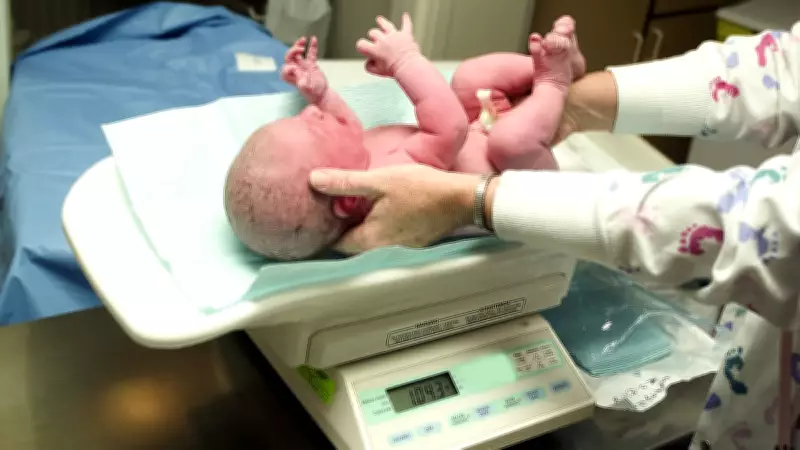
Health Minister J P Nadda announced the revised strategy on 28 June 2026, emphasizing that LBW infants are particularly vulnerable to anaemia and its long-term developmental impacts. According to the Ministry, LBW babies (weighing less than 2.5 kg at birth) face higher risks of iron deficiency and impaired cognitive development, making early intervention critical.
Revised Guidelines and Interventions
The updated AMB guidelines now include specific interventions for LBW infants, such as iron supplementation starting at two weeks of age, delayed cord clamping at birth, and enhanced counseling for mothers on breastfeeding and nutrition. The program previously targeted six groups: children aged 6-59 months, adolescent girls (10-19 years), women of reproductive age (15-49 years), pregnant women, lactating mothers, and men (15-49 years) in select districts.

“Adding LBW babies to the program will help address anaemia from the very beginning of life, breaking the intergenerational cycle of anaemia,” said a senior Health Ministry official. “The focus is on early detection and timely treatment to prevent irreversible health consequences.”
Data and Impact
According to the National Family Health Survey-5 (2019-21), nearly 57% of women and 67% of children under five in India are anaemic. Among newborns, the prevalence of low birth weight stands at around 18%, with anaemia rates in this subgroup estimated to be even higher. The Ministry projects that covering LBW infants could reduce childhood anaemia by up to 10% over the next five years.
The revamped guidelines also emphasize stronger monitoring mechanisms, including digital tracking of LBW babies through the Reproductive and Child Health (RCH) portal and community health workers. States have been directed to ensure availability of iron supplements and diagnostic facilities at primary health centres.
Implementation and Challenges
The revised strategy will be rolled out in phases, starting with high-burden districts. The Ministry has allocated an additional ₹150 crore for the first year to procure iron supplements, train health workers, and strengthen supply chains. However, experts caution that effective implementation requires addressing systemic issues like stock-outs of supplements and poor adherence to protocols.
“While the inclusion of LBW babies is a welcome step, success will depend on robust delivery mechanisms and community engagement,” said Dr. R. S. Sharma, a public health expert. “Regular training of ASHAs and ANMs is crucial to ensure that supplements reach the most vulnerable.”