

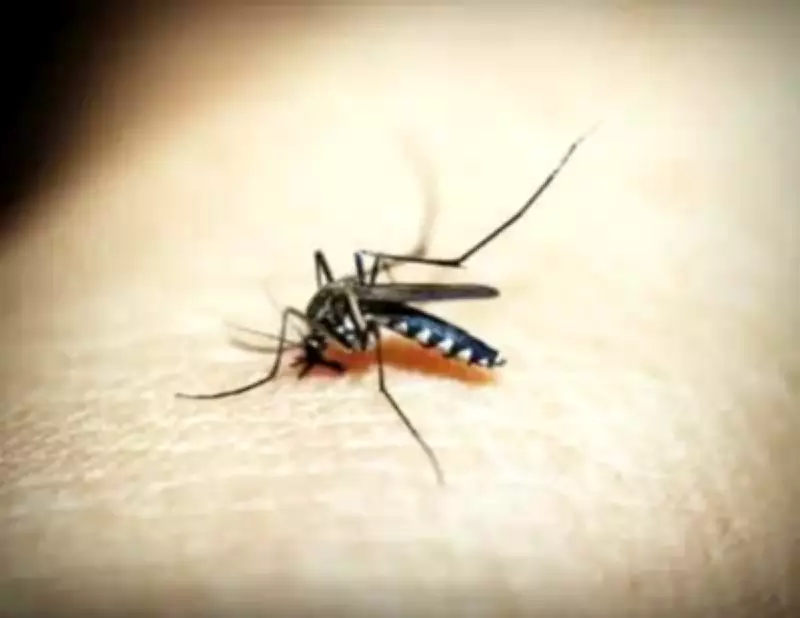
For centuries, historians have attributed the spread of human populations across the globe to kings, conquerors, and the quest for resources. However, recent research suggests a different, microscopic force has been at play: the malaria parasite. This ancient disease has been shaping human destiny for tens of thousands of years, influencing where we live, how we evolved, and even our genetic makeup.
The Microscopic Architect of Human History
Malaria is not just a modern health crisis; it has been a constant companion to humanity for millennia. The parasite caused illness and forced ancient populations to adapt their lifestyles for survival. Early humans moved from lush, dangerous valleys in Ethiopia and Southeast Asia to higher ground, where the risk of contracting malaria was lower. This adaptation left a lasting mark on our genome and on how humanity colonized the planet.
A Biological Map of Ancient Migration
To understand this connection, researchers analyzed genetic data to reconstruct the relationship between ancient humans and malaria. A study published in Science Advances, titled "Malaria shaped human spatial organization for the past 74 thousand years," reveals that malaria played a vital role in shaping migration routes after humans left Africa. People did not wander randomly; they navigated a landscape of terror, where malaria defined safe pathways. In regions where the disease was prevalent, humans evolved genetic protections, such as the sickle cell mutation, which offers resistance at a great cost. This mutation is a testament to the desperate struggle for survival.

This ancient battle not only influenced our genetics but also dictated societal structures and the distribution of human genetic diversity. The preference of mosquitoes for stagnant, humid environments drove ancient people to settle in windswept ridges and arid regions. This choice was not about convenience but survival. The formation of our habitats was an instinctive reaction to the presence of danger in the air, making us architects of survival by building our world away from mosquitoes.
The Genetic Legacy of the World's Greatest Battle
Malaria's influence extends beyond living areas and building materials; it has affected the deepest levels of our existence. Evolution is often seen as gradual, but malaria pressures constant adaptation. By comparing genetics across populations, researchers can trace the legacy of malaria outbreaks. This perspective changes our understanding of human evolution: it was not just about surviving predators and mastering tools, but overcoming a minuscule enemy that posed the greatest challenge.
Diseases did not merely plague our ancestors; they shaped resilient individuals who managed to inhabit the entire globe despite constant biological threats. This history is evident in the distribution of ethnic groups today. The research team found that the 74,000-year struggle with malaria is a major reason why human genetic diversity is high in some areas and low in others. Malaria acted as a barrier, preventing groups from mixing and creating isolated pockets of humanity that evolved in unique directions.
As we strive to eliminate malaria today, we approach the end of an era that has existed since the dawn of humanity. Reflecting on this 74,000-year journey offers insights into human tenacity and our capacity for survival. It reminds us that despite our dominance, we coexist with mysterious forces. While a parasite defined our past, our future lies in the lessons learned from fighting it.






