

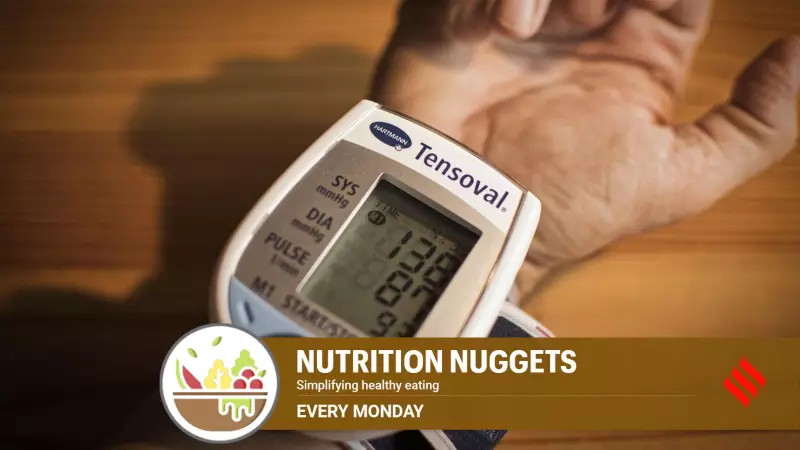
Ramesh Sharma, a 52-year-old marketing professional living in Delhi, received a hypertension diagnosis during a routine health check-up. His blood pressure readings consistently hovered around 150/95 mmHg. Ramesh led a busy life, often working late, dining at restaurants frequently, consuming packaged snacks, and exercising very little.
His doctor prescribed a low-dose medication and strongly recommended dietary adjustments along with moderate physical activity. Over the next three months, Ramesh committed to making significant changes to his eating habits.
The Dietary Transformation That Made a Difference
Ramesh started by drastically cutting down his salt intake. He eliminated pickles, namkeen, and processed foods from his meals. He also reduced how often he ate out. Instead of white rice, he began eating millets three days each week. He doubled his consumption of vegetables, particularly leafy greens.

For evening snacks, he swapped fried items for fruits or roasted chana. Alcohol consumption became a very occasional treat. These consistent efforts led to remarkable results. Ramesh lost 4 kilograms and successfully lowered his blood pressure to 128/82 mmHg.
He experienced increased stamina and fewer headaches. While he continued his medication, the dosage did not need to be increased. This case clearly demonstrates how diet can serve as a powerful ally in managing blood pressure over the long term.
Why Diet Plays a Crucial Role in Managing Hypertension
Diet remains one of the most effective, yet often overlooked, methods for controlling blood pressure. This is especially true in the Indian context, where altering food habits can be challenging. The encouraging news is that managing hypertension does not require expensive exotic fruits or extreme dietary restrictions.
With gradual and consistent modifications to a typical Indian diet, blood pressure can be maintained at a safe level. What you eat directly impacts blood vessel function and fluid balance in your body.
Key Dietary Strategies for Blood Pressure Control
1. Reduce Salt Intake Smartly
The average daily salt intake for many Indians is nearly double the recommended maximum. Major sources include pickles, papads, packaged snacks, restaurant meals, and hidden sodium in various seasonings. Limiting salt to less than 5 grams per day can lead to a significant reduction in blood pressure.
Instead of sacrificing flavor, enhance your dishes with herbs, lemon juice, garlic, ginger, curry leaves, mustard seeds, and other spices. These additions provide taste without contributing to sodium overload.
2. Embrace Potassium-Rich Foods
Potassium helps neutralize the effects of sodium and relaxes blood vessel walls. Excellent Indian sources of potassium include bananas, coconut water, spinach, bottle gourd, pumpkin, sweet potatoes, lentils, and yogurt. A diet abundant in vegetables and fruits supports blood pressure management effectively.
3. Choose Carbohydrates Wisely
Refined carbohydrates can cause insulin spikes, potentially worsening high blood pressure. Opt for millets like ragi, jowar, and bajra, along with brown rice, oats, and whole wheat. Replace white rice, maida, and sugary items with these healthier alternatives. Millets are not only eco-friendly but also provide magnesium, a mineral that helps regulate blood pressure.
4. Focus on Healthy Fats
Excessive consumption of unhealthy fats can lead to artery hardening. Avoid deep-fried snacks and foods made with vanaspati. Instead, incorporate nuts, seeds, groundnut oil, mustard oil, and a moderate amount of ghee as sources of good fats. Omega-3 fatty acids from walnuts, flaxseeds, and fatty fish help reduce inflammation and promote heart health.
5. Manage Protein Intake
A protein-rich diet supports muscle maintenance and metabolic health. Include dals, legumes, curd, moderate amounts of paneer, eggs, and fish. It is advisable to limit or avoid red and processed meats, as they are associated with increased cardiovascular risks.
A Sample Daily Meal Plan for Hypertension
Here is a practical example of what a day of eating might look like for someone managing high blood pressure:

- Morning: Warm water with soaked almonds or walnuts
- Breakfast: Vegetable oats or a ragi dosa prepared with minimal salt
- Mid-morning: A fruit such as papaya or banana
- Lunch: Brown rice or millet roti served with dal, sabzi, and curd
- Evening: Roasted chana or another fruit instead of fried snacks
- Dinner: A light meal like vegetable khichdi or stir-fried vegetables with a protein source
- Hydration: Drink plenty of water and coconut water; limit excessive tea and coffee consumption
A hypertension-friendly diet is not about deprivation. It is about making smarter food choices. Indian cuisine, when prepared thoughtfully, can be both heart-healthy and delicious. The secret lies in managing portion sizes, selecting appropriate cooking methods, and using the right ingredients.
