Marathwada Women Transform Health and Community by Securing Land for Vegetable Farming
In the drought-prone Marathwada region of Maharashtra, a diet limited to onions, lentils, and roti is far from wholesome. For many women who toil in agricultural fields, this sparse meal is often all that's on the plate, leading to persistent health issues. However, in Kathoda village of Beed district, a group of women has sparked a mini-revolution by fighting for a small patch of land to grow vegetables, aiming to break the cycle of punishing labor and malnutrition.
The Harsh Reality of Migrant Labor and Poor Nutrition
Marathwada serves as a key labor pool for the sugarcane belts of western Maharashtra and Karnataka, drawing close to 15 lakh migrant workers annually, with a significant portion being women. Among them are Dwarakatai Waghmare (45), Jayshree Ovhal (50), and Anita Waghmare (40), all from the Dalit community. Like others, they subsisted on simple meals of dal and bhakri, with vegetables often reserved for men due to high prices and limited availability.
"We had no concept of a balanced diet. We didn't even know that illnesses came because we did not get nutrition from vegetables," said Anita Waghmare. Harvesting sugarcane is backbreaking work, and many women opt for hysterectomies in their 20s to avoid menstrual breaks, further jeopardizing their health. Early menopause from such surgeries increases risks of osteoporosis and cardiovascular disease, compounded by poor nutrition.

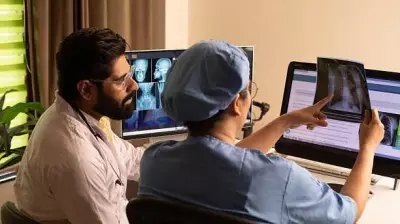
Dr. Danish Memon, senior consultant at Noble Hospitals in Pune, explained, "The limited diet lacks nutrients, exacerbating health issues. Inadequate nutrition can lead to deficiencies, causing anaemia, weakness, and fatigue." For years, sickness and weakness were routine, with women often avoiding hospitals to fulfill work contracts.
A Spark of Change Through Awareness and Action
The turning point came in 2023 when the trio attended a talk on health and nutrition organized by the Mahila Kisan Adhikaar Manch (MAKAAM). Inspired by the importance of eating well, they decided to invest in their health by growing vegetables. "We wanted to try it after health experts convinced us," said Dwarakatai, whose confident demeanor now stands out in an area where women are typically shy.
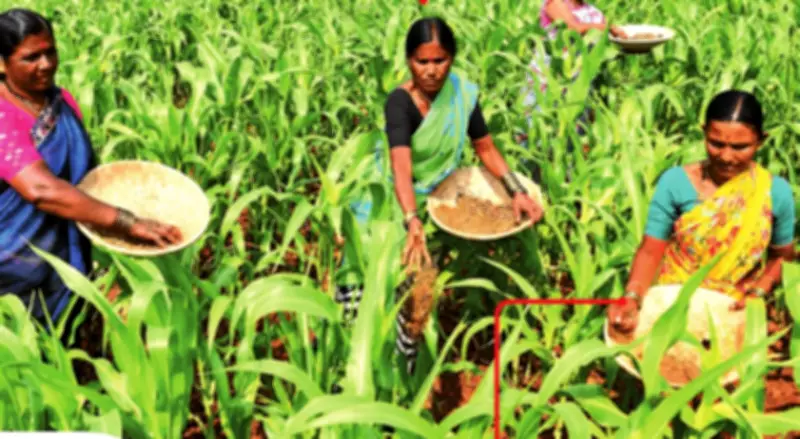
Securing a half-acre plot required a fight with families who saw it as a waste, but the women persisted. Over three years, they have cultivated brinjals, cluster beans, leafy greens, and other vegetables, practicing organic farming with training from MAKAAM. "Our lives are not going to improve greatly, but at least our children will eat nutritious food and be healthier," noted Ovhal.
Expanding Impact and Community Empowerment
What began as a dietary change has grown into a movement, with the collective now comprising 40 women. They share tools, avoid selling their produce, and instead distribute it within the community, even attracting interest from upper-caste households. Seema Kulkarni of MAKAAM highlighted that the initiative offers an alternative to exploitative sugarcane migration, with erratic rains making traditional farming unreliable.
"One key reason why the women were convinced was that the alternative offered a way out," Kulkarni said, adding that the program focuses on agricultural diversity with around 35 crops to strengthen food security. The COVID-19 pandemic underscored the importance of growing food locally, further motivating the women.
Emerging as a Powerful Voice in the Village
Today, these women have transcended their roles as cane cutters to become community leaders. They attend gram sabhas, access government schemes, and resolve local issues. Jyoti Thorat (28), a former cane cutter, shared, "People would say, 'What will women do in a gram sabha?' But we started attending awareness lectures and workshops. Our unity makes upper caste men uncomfortable—they can't ignore us anymore."
By claiming land and growing vegetables, these women of Marathwada are not only improving their nutrition but also challenging social norms, proving that small steps can lead to significant health and societal transformations.