

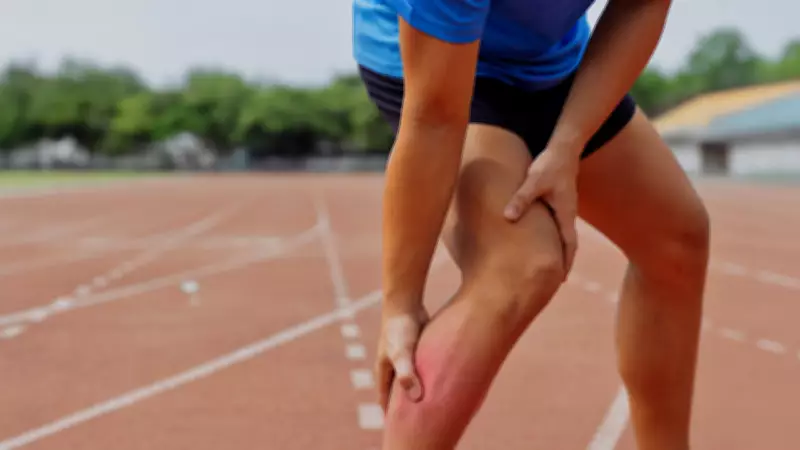
Unexplained Muscle Loss Could Signal Early Liver Distress: Hidden Warning Signs
Most individuals notice muscle loss only when clothing becomes loose or daily activities feel more challenging. This symptom is frequently attributed to aging, stress, or a sedentary lifestyle. However, medical experts now highlight a less recognized explanation: it could be your liver sending an early distress signal.
The liver is far more than a detoxification organ. It plays a crucial role in managing nutrients, synthesizing proteins, and maintaining the body's energy balance. When liver function begins to decline, the body may compensate by breaking down muscle tissue for energy.
This means that unexplained muscle loss is not always related to fitness levels. It can serve as an early whisper from the liver, indicating underlying health issues that require attention.

The Hidden Liver-Muscle Connection
The relationship between liver health and muscle strength is more profound than commonly understood. Medical professionals now refer to this as the "liver-muscle axis."
Dr. Akhil Deshmukh, a consultant in hepatology and liver transplant, explains, "While many believe muscle loss is a natural part of aging, it can actually be an early and silent sign of hidden liver diseases."
When the liver struggles to store glycogen or process nutrients efficiently, the body may turn to muscle protein as an alternative energy source. This leads to gradual muscle breakdown, even when dietary intake appears normal. This process occurs slowly and often goes unnoticed until significant damage has occurred.
Why Muscle Loss Precedes Other Symptoms
The timing of muscle loss is particularly insidious, as it frequently begins before classic liver symptoms manifest. Dr. Sonal Asthana, lead consultant in HPB and liver transplant surgery, notes, "Muscle loss can be a silent and early indicator of declining liver health. Many people fail to recognize this connection until the condition becomes serious."
The liver is essential for protein production. When this function weakens, the body cannot maintain muscle mass effectively. Over time, this results in:
- Reduced physical strength
- Increased fatigue
- Subtle, unexplained weight loss
By the time more obvious symptoms like jaundice or abdominal pain appear, liver damage may already be advanced.
Commonly Overlooked Warning Signs
Early indicators of liver-related muscle loss are often dismissed as ordinary fatigue or aging. Individuals might notice that climbing stairs feels more strenuous, carrying groceries becomes exhausting, or they experience a persistent sense of weakness that doesn't improve with rest.
Dr. Asthana adds, "Even simple daily activities such as walking, climbing stairs, or lifting objects may become increasingly difficult."
Other frequently ignored signs include:
- Muscle loss despite maintaining normal body weight
- Decreased appetite
- Persistent tiredness
- Noticeable shrinking in arms or thighs
Some individuals with conditions like fatty liver may appear overweight while simultaneously losing muscle mass underneath, making the problem harder to detect.
Scientific and Government Data Support
The link between liver disease and muscle loss is well-documented in medical literature. A comprehensive overview by the National Institutes of Health highlights how sarcopenia (age-related muscle loss) is common in chronic liver disease and associated with poorer health outcomes.
Similarly, public health insights from the National Institute of Diabetes and Digestive and Kidney Diseases explain how liver diseases disrupt metabolism and nutrient processing. These findings reinforce that muscle health can reflect liver health long before diagnostic tests are conducted.
Beyond Weakness: The Broader Impact
Muscle loss affects more than just physical appearance or strength; it can influence how the body responds to illness. Dr. Deshmukh points out, "Sarcopenia functions as a powerful prognostic indicator. Patients with muscle loss have a greater risk of complications, infections, and poorer recovery outcomes."
Early muscle loss can signal increased risks of:

- Accelerated disease progression
- Reduced immune function
- Poorer recovery from illnesses
In some cases, fat may infiltrate muscle tissue, degrading its quality without reducing its size, a condition that often goes undetected.
Everyday Habits That Exacerbate the Problem
Certain lifestyle patterns quietly accelerate both liver damage and muscle loss. These include:
- Irregular meals or inadequate protein intake
- Sedentary behavior
- High consumption of sugar and processed foods
- Poor sleep quality
- Chronic stress
Dr. Asthana explains, "Poor appetite and reduced food intake, combined with increased inflammation, hormonal changes, and low physical activity levels, can worsen the problem." This creates a vicious cycle where declining liver function leads to more muscle loss, which in turn makes it harder to stay active.
Early Protection: Simple Steps for Significant Impact
The encouraging news is that early intervention can make a substantial difference. Consistent healthy habits can support both liver and muscle health:
- Consume balanced meals with adequate protein from sources like lentils, eggs, lean meats, and nuts
- Engage in regular physical activity, particularly light strength exercises
- Avoid excessive alcohol and ultra-processed foods
- Maintain a healthy weight
- Undergo routine blood tests, including liver function panels
Dr. Deshmukh emphasizes, "Early identification and targeted interventions result in better health outcomes." Even simple resistance exercises, such as bodyweight squats or light weight training, can help preserve muscle mass.
Expert Insights
This article incorporates expert inputs from Dr. Sonal Asthana, Lead Consultant in HPB and Liver Transplant Surgery at Aster CMI Hospital in Bangalore, and Dr. Akhil Deshmukh, Consultant in Hepatology and Liver Transplant at Aster Whitefield Hospital. Their insights help explain how unexplained muscle loss can serve as an early indicator of declining liver health, highlight commonly overlooked warning signs, and stress the importance of timely evaluation alongside dietary and lifestyle measures to protect liver function early.





