The recent National Family Health Survey 6 (NFHS-6) data released by the Union government indicates a rapid increase in lifestyle-related health problems in Andhra Pradesh, particularly obesity, diabetes, and hypertension. The survey reveals that nearly half of adult women in the state are now overweight or obese.
Obesity on the Rise
Among women aged 15 to 49 years, 47.9% were found to have a body mass index above 25, compared to 36.3% in NFHS-5. For men, the figure rose sharply to 41.5% from 31.1% in the previous survey. Urban populations showed an even higher prevalence, with 57.3% of urban women and 48.4% of urban men classified as overweight or obese. These figures are significant because obesity is a major risk factor for diabetes, hypertension, heart disease, and stroke.
Diabetes and Hypertension Trends
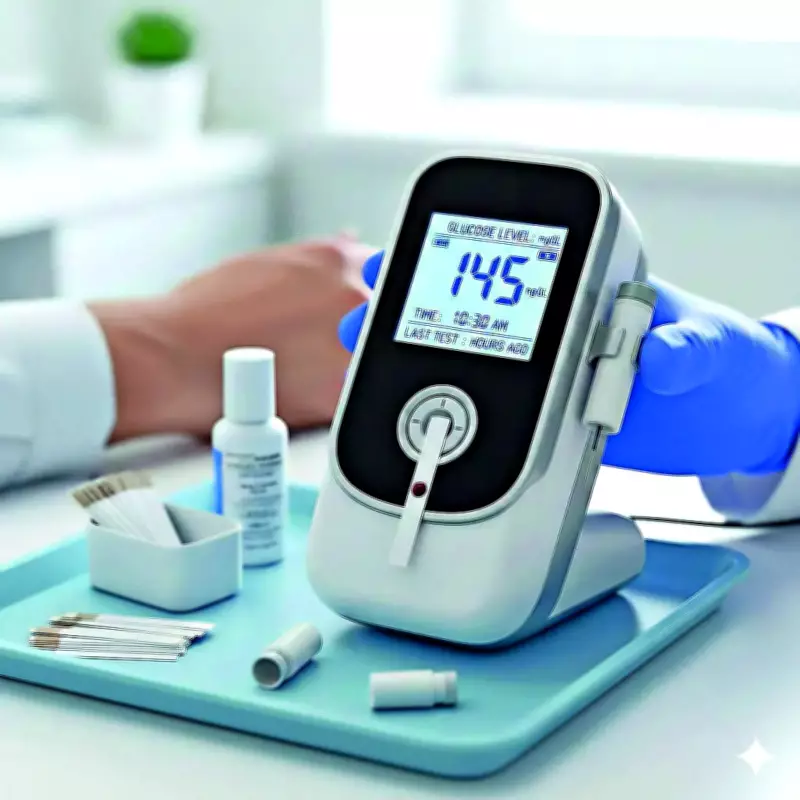
The NFHS-6 data also highlights a worrying diabetes trend. Among women aged 15 years and above, 21.8% had high or very high blood sugar levels or were taking medication for diabetes, up from 19.5% in NFHS-5. Among men, the corresponding figure rose to 24.1% from 21.8%. Particularly alarming is the percentage of adults with 'very high' blood sugar levels (12.2% among women and 13.9% among men), indicating possible cases of uncontrolled diabetes or delayed diagnosis.

Hypertension levels remain another major concern. Around 24.1% of women and 26% of men were found to have elevated blood pressure or were already taking medicines to control it. Though some indicators show marginal improvement from NFHS-5, the prevalence remains high enough to pose a serious long-term public health challenge.
Experts Attribute Rise to Lifestyle Changes
Experts attribute the sharp rise in obesity to changing lifestyles, including reduced physical activity, increasing consumption of processed foods, and growing dependence on motorised transport. Urbanisation and changing dietary habits in semi-urban and rural areas are also believed to be contributing factors.
Progress in Maternal and Child Healthcare
At the same time, the survey reflects significant improvements in maternal and child healthcare indicators, suggesting that the state has made progress in tackling undernutrition and improving healthcare access. Institutional deliveries in Andhra Pradesh stood at an impressive 98.4%, far above the national average of 90.6%. Antenatal care coverage also remained robust, with 88.6% mothers receiving check-ups in the first trimester and 85.5% completing at least four antenatal visits.
Child nutrition indicators too showed notable improvement. Stunting among children under five declined to 24.6% from 31.2% in NFHS-5, while the proportion of underweight children reduced to 23.2% from 29.6%. Similarly, severe wasting dropped sharply to 2.7%, significantly below the national figure of 6%.
Persisting Social Concerns
However, despite progress in healthcare and nutrition, social concerns continue to persist. Domestic violence indicators remain troubling, with about 22.7% of ever-married women reporting that they had experienced spousal violence.
Conclusion
All these statistics point to the fact that Andhra Pradesh is gradually transitioning from a health profile dominated by infectious diseases and child undernutrition to one increasingly shaped by chronic lifestyle illnesses, a pattern now being witnessed across many economically advancing Indian states.