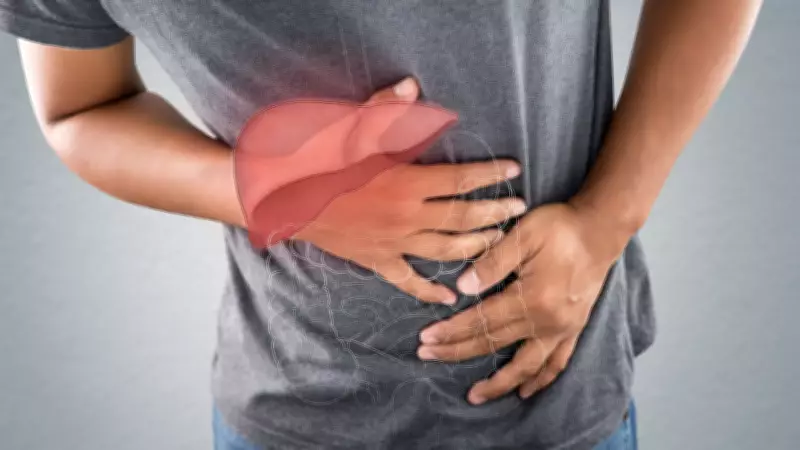
The Sobering Reality: Fatty Liver Strikes Without Alcohol
A man in his late thirties, disciplined with his diet, a lifelong non-drinker, and moderately active, entered a hospital complaining of persistent fatigue. The diagnosis delivered a profound shock: severe fatty liver disease. This case shatters the long-held societal assumption that fatty liver is exclusively linked to alcohol consumption, revealing a far more complex and insidious health threat rooted in contemporary lifestyles.
When "Healthy" Habits Fail to Protect
Many urban individuals operate under a dangerous misconception. They believe that consuming home-cooked meals, abstaining from alcohol, and maintaining moderate physical activity constitute a sufficient health shield. However, the human body responds to a broader spectrum of metabolic inputs.
Dr. Apurva Pande, Additional Director & HOD - Gastroenterology & Hepatology at Yatharth Hospital, provides critical insight: "Metabolic dysfunction Associated Fatty Liver Disease (MASLD) involves excess fat accumulation in the liver, primarily driven by modern dietary patterns and sedentary living. Even teetotalers can develop severe liver issues due to excessive intake of refined carbohydrates, ultra-processed foods, and hidden sugars, coupled with low physical activity. The most alarming aspect is its silent progression; many patients show no symptoms until significant liver damage has already occurred. This case urgently calls for a reevaluation of daily dietary habits, a focus on metabolic health, and routine screening for at-risk groups, irrespective of alcohol use."

This concept of silent progression fundamentally alters the health conversation. The liver, a remarkably resilient organ, does not signal distress early. It adapts and compensates, only manifesting symptoms after substantial damage has accumulated.
Hidden Culprits in Everyday Meals
Contemporary eating patterns often appear deceptively healthy on the surface. A breakfast consisting of packaged oats, fruit juice, and brown bread might seem balanced, yet each component can harbor hidden sugars or refined carbohydrates.
The core issue is not an occasional indulgence but the relentless repetition of these dietary choices. India is witnessing a steady increase in metabolic disorders linked to diet. A study published in Frontiers in Nutrition underscores the strong connection between high carbohydrate intake, processed foods, and metabolic conditions like fatty liver.
Globally, the World Health Organization has issued warnings that diets rich in free sugars and ultra-processed foods are primary drivers of non-communicable diseases. These are not rare dietary deviations; they are ingrained routines. The combination of sugary beverages, packaged snacks, late-night eating, and prolonged sedentary periods systematically forces the liver into fat-storage mode.
The Silent, Stealthy Progression of Liver Damage
The liver's renowned resilience paradoxically becomes a significant risk factor. It continues functioning under stress, which means most individuals with early-stage fatty liver experience no unusual sensations—no pain, no clear warnings. Occasionally, mild fatigue emerges, but it is frequently dismissed.
By the time tangible symptoms like persistent exhaustion, unexplained weight fluctuations, or abdominal discomfort appear, the condition has often advanced considerably. A report by the National Institutes of Health notes the rising prevalence of non-alcoholic fatty liver disease in urban India, frequently remaining undiagnosed due to a lack of routine screening protocols.
This silent progression renders the condition particularly perilous, as it develops unnoticed in individuals who are convinced they are adhering to all the right health principles.
Redefining the True Meaning of Health
Modern health requires a broader, more nuanced perspective. It transcends merely avoiding alcohol or reducing oil intake; it is fundamentally about achieving and maintaining metabolic balance.
An individual can appear physically fit while harboring internal imbalances—elevated insulin levels, excess visceral fat, or compromised liver function. These critical markers are not reflected in the mirror.
Simple, consistent shifts can yield significant protective benefits:

- Drastically reducing consumption of packaged and ultra-processed foods.
- Vigilantly monitoring sugar intake, even in so-called "healthy" beverages and snacks.
- Incorporating more movement throughout the day, beyond structured workout sessions.
- Prioritizing consistent, quality sleep, as poor sleep patterns adversely affect metabolism.
Food must do more than nourish; it must actively safeguard against hidden metabolic harm.
Proactive Strategies to Counter Silent Liver Damage
Effective prevention now hinges on proactive awareness rather than complacent assumptions. Routine diagnostic tools—including comprehensive blood tests, specific liver function panels, and abdominal ultrasound scans—can detect early pathological changes. These screenings are not reserved solely for symptomatic individuals; they are essential for anyone with a sedentary routine, a high-carbohydrate diet, or a family history of metabolic disorders.
A fundamental mindset shift is also imperative. Contemporary health is not about extreme measures but about sustainable consistency. Small, daily decisions—such as taking a short walk after meals, meticulously reading food labels, and consciously reducing added sugars—cumulatively build robust, long-term physiological protection.
The case of the non-drinker diagnosed with severe fatty liver is no longer an anomalous medical curiosity. It serves as a powerful signal and a stark reminder that the human body responds to sustained behavioral patterns, not superficial lifestyle labels.