PHMB Eye Drops Linked to Severe Cornea Damage in Children, Study Finds
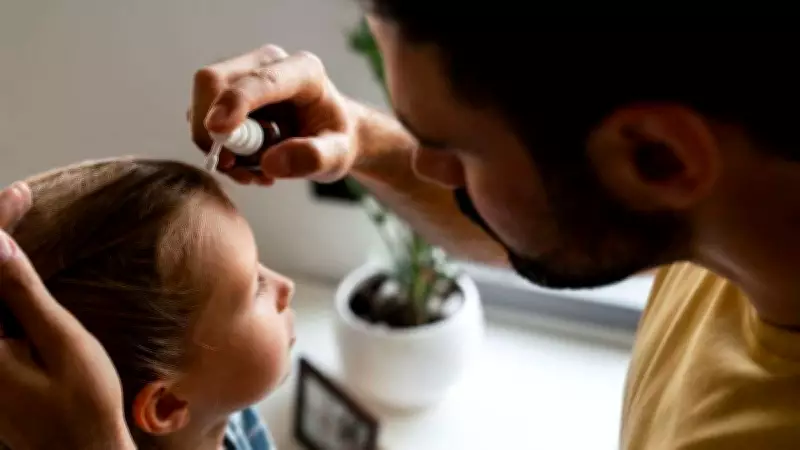
A recent health study has raised alarming concerns about the safety of polyhexamethylene biguanide (PHMB) eye drops when used in children. The research indicates that these antiseptic eye drops, commonly prescribed for infections, can lead to significant cornea damage in pediatric patients, potentially resulting in vision impairment or long-term ocular issues.
Key Findings from the Health Research
The study, conducted by a team of ophthalmologists and pediatric health experts, analyzed cases where children developed cornea complications after using PHMB-based eye drops. Findings suggest that the chemical composition of PHMB, while effective against bacteria, may be too harsh for the delicate corneal tissues of young eyes. This can cause inflammation, ulceration, and in severe cases, scarring that affects visual acuity.
Researchers emphasized that children's corneas are more vulnerable due to their developing structure, making them susceptible to adverse reactions from certain medications. The study calls for immediate review of PHMB eye drop usage in pediatric populations and recommends alternative treatments with lower risk profiles.
Implications for Pediatric Eye Care
This discovery has profound implications for healthcare providers and parents. Eye drops containing PHMB are often used to treat conditions like conjunctivitis or corneal ulcers in children, but the new data suggests a need for caution. Medical professionals are advised to assess the risk-benefit ratio carefully before prescribing these drops and to monitor young patients closely for any signs of cornea distress.
"The safety of our children's vision must be paramount," stated one of the lead researchers. "While PHMB eye drops have their place in adult treatment, we must reconsider their role in pediatric care to prevent avoidable harm."
Recommendations and Safety Measures
In light of these findings, the study proposes several safety measures:
- Enhanced Labeling: Eye drop packaging should include clear warnings about potential cornea risks for children.
- Alternative Therapies: Healthcare providers should explore safer alternatives, such as antibiotic eye drops with proven pediatric safety records.
- Parental Awareness: Parents and caregivers need to be educated about the signs of cornea damage, including redness, pain, or blurred vision in children using eye drops.
- Regulatory Review: Health authorities are urged to re-evaluate the approval and usage guidelines for PHMB eye drops in pediatric settings.
The study concludes that while PHMB eye drops remain a valuable tool in combating eye infections, their application in children requires stringent oversight to mitigate cornea-related risks. Further research is needed to develop safer formulations and establish comprehensive pediatric eye care protocols.