CSIR-CCMB Researchers Uncover Seasonal Genetic Changes in Chilika Lagoon Cyanobacteria
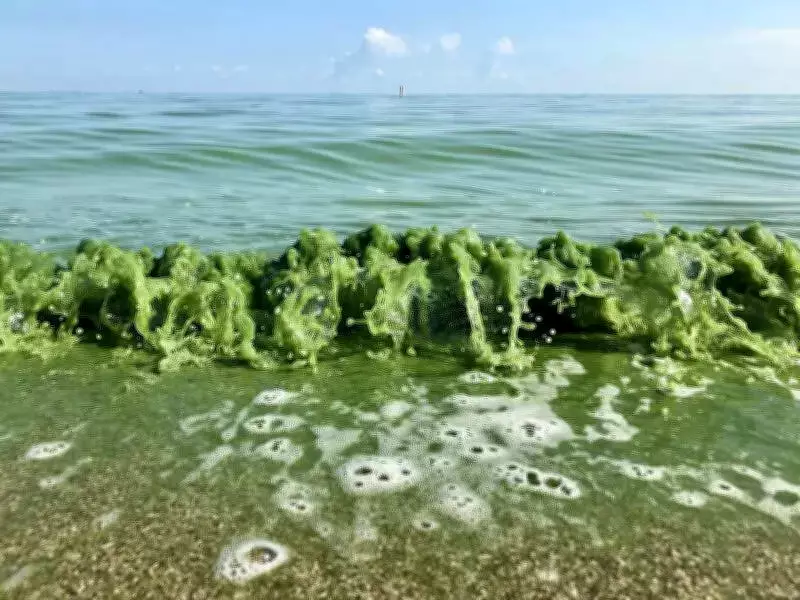
In a significant breakthrough for aquatic ecosystem research, scientists from the CSIR-Centre for Cellular and Molecular Biology (CSIR-CCMB) have documented that cyanobacterial communities in Odisha's Chilika Lagoon experience distinct seasonal genetic shifts. This discovery, detailed in the journal Environmental Advances, holds profound implications for enhancing the monitoring of harmful algal blooms and informing conservation strategies in sensitive water bodies across the globe.
Study Methodology and Key Findings
The research, led by Manisha Ray and Govindhaswamy Umapathy, involved an extensive analysis of water-based environmental DNA samples collected from Asia's largest brackish water lagoon. The team conducted four expeditions across three seasons, gathering 48 samples from nine strategic locations within the biodiverse Chilika Lagoon, which connects to the Bay of Bengal.
From these samples, researchers successfully reconstructed 83 cyanobacterial metagenome-assembled genomes (MAGs). A rigorous analytical process was employed, involving filtration of at least 10 litres of water per site using a 0.4-micron membrane, followed by DNA extraction and sequencing on the Illumina NovaSeq 6000 platform with PCR-free library preparation.

The study identified salinity as the predominant environmental factor influencing both the composition of cyanobacterial communities and their functional capabilities. These functions include critical ecological processes such as nitrogen cycling, carbon fixation, and the production of toxins.
Implications for Bloom Dynamics and Ecosystem Health
Cyanobacteria, while essential for photosynthesis, nitrogen fixation, and carbon sequestration in aquatic environments, can proliferate into harmful algal blooms under certain conditions. The research specifically found that the risk of such blooms escalates when nitrogen-to-phosphorus ratios are low, creating favorable conditions for toxin-producing genera to thrive.
Perhaps the most intriguing discovery was the identification of five cyanobacterial genomes containing a complete, previously undocumented metabolic pathway known as the phosphate acetyltransferase–acetate kinase (Pta-Ack) pathway. This finding suggests these organisms may play an unknown role in carbon-fixation processes, opening new avenues for scientific inquiry.
Collaborative Effort and Conservation Significance
The groundbreaking study was a collaborative effort involving scientists from CSIR-CCMB, Lacones, and the Academy of Scientific and Innovative Research (AcSIR) in Ghaziabad. By elucidating how salinity shapes both community structure and functional gene composition, the research provides a valuable framework for understanding bloom dynamics and associated toxin risks.
This work is particularly crucial for the conservation and management of coastal ecosystems like Chilika Lagoon, which face increasing pressures from climate variability. The insights gained could lead to more effective monitoring protocols and targeted interventions to protect aquatic biodiversity and public health from the detrimental effects of harmful algal blooms.