

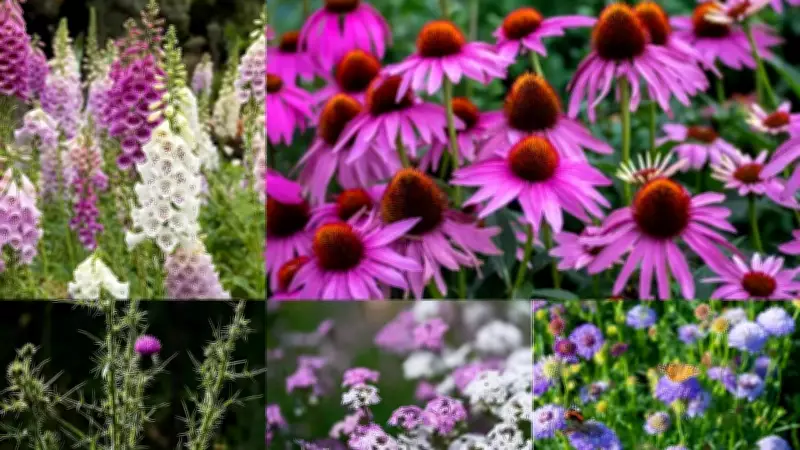
The activity of pollinating insects such as bees, butterflies, hoverflies, and moths is vital for ecosystem health and the successful reproduction of many flowering plants, fruits, and vegetables. As part of Insect Week, gardening professionals have shared ten recommendations to make your garden more wildlife- and insect-friendly. These ten nectar-rich plants, highlighted in a recent report by The Independent, provide valuable nutrition for pollinators during the summer, with some offering food well into autumn.
Coneflower (Echinacea purpurea)
Coneflowers are highly popular among gardeners and pollinating insects like bees, butterflies, and other bugs. Their large, easy-to-reach flowers offer ample feeding opportunities. Additionally, coneflowers bloom for an extended period, serving as a reliable nutrient source when many other plants begin to fade. Their beautiful pink-purple flowers add vibrant color to border plantings with minimal maintenance.
Nepeta (Catmint)
Nepeta, or catmint, is recommended for its exceptionally long flowering period, attracting numerous bees. It thrives in sunny areas, producing masses of lovely lavender-blue flowers that provide bees with valuable nectar. This hardy plant works well as a border filler and effective ground cover.

Scabious
Scabious is widely used in wildlife gardens due to its nectar-rich, long-blooming flowers. According to The Independent, scabious attracts many pollinators, including bees, butterflies, and hoverflies. The pincushion-like flower shape makes it easy for insects to drink nectar. Scabious also adds elegance to garden beds.
Foxglove (Digitalis purpurea)
Foxglove, a recognizable plant of the English countryside, is both attractive and beneficial to pollinators like bumblebees. Its rich flower spikes contain numerous tubular blooms that allow larger bees to easily access nectar. These plants provide height, drama, and structure while attracting bumblebees.
Verbena bonariensis
Verbena bonariensis is recommended for pollinator-friendly gardens. It features tall, slender stems topped with clusters of pretty purple flowers that produce abundant nectar, keeping bees, butterflies, and hoverflies busy all summer. Its airy appearance makes it a decorative addition that combines well with other flowers.
Plume thistle (Cirsium rivulare 'Atropurpureum')
This less common but valuable plant has gained attention from wildlife gardening specialists. It flowers profusely with rich red-purple blossoms, attracting bees and butterflies and contributing to conservation. Plume thistle adds vibrant color to borders and is drought-resistant.
Ice Plant (Hylotelephium spectabile)
The ice plant becomes valuable to pollinators late in the season, producing large clusters of pink flowers that attract bees and butterflies in large numbers. Its fleshy leaves allow it to thrive in dry garden locations.
Aster (Michaelmas Daisy)
Aster is important later in the season, flowering from late summer to early autumn and continuing to produce nectar when most other plants have stopped blooming. It attracts bees, butterflies, and hoverflies, helping insects prepare for winter.
Honeysuckle (Lonicera)
As a climbing plant, honeysuckle can scale walls, fences, and pergolas, creating shelter for wildlife while providing food. Its sweet-scented tubular flowers attract bees during the day and moths in the evening, making it ideal for pergolas.
Yarrow (Achillea millefolium)
Yarrow is resilient and grows in almost any soil, making it convenient for gardens. It serves as a reliable nectar source, attracting a wide array of insects, including bees, butterflies, hoverflies, and predatory insects.






