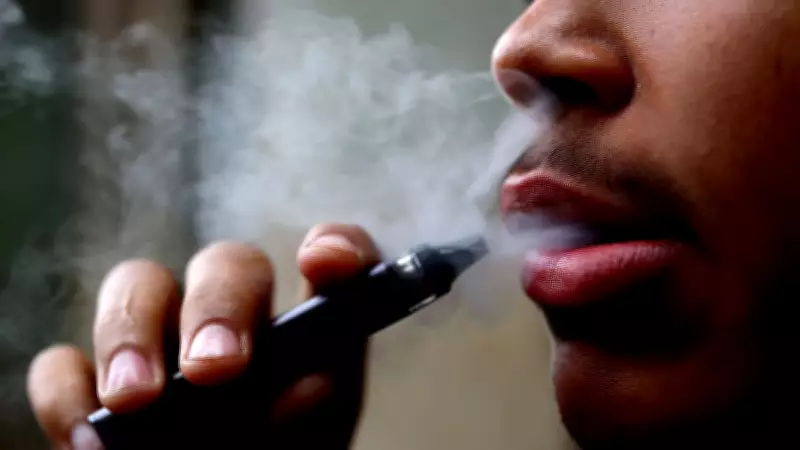
A recent survey conducted by LocalCircles, a community social media platform, has revealed that vaping remains prevalent in Bengaluru despite a ban on such devices. The survey, which included 2,524 participants, found that nearly 13 percent of respondents reported witnessing the use of vapes near their residence or workplace on a daily basis. An additional 13 percent stated that they observed such instances every week, while 9 percent said they encountered vaping at least once a month.
Survey Highlights Persistent Vape Use
The findings indicate that the ban on vapes and e-cigarettes in Bengaluru has not been fully effective in curbing their use. The survey results underscore the continued availability and consumption of these products, raising concerns about enforcement and public health. LocalCircles noted that the data reflects a trend of regular vaping activity in residential and commercial areas, suggesting that users are either unaware of the ban or are ignoring it.
Implications for Public Health
Vaping has been linked to various health risks, including respiratory issues and nicotine addiction. The persistence of vape use despite the ban highlights the need for stricter enforcement measures and increased public awareness campaigns. Health experts emphasize that vaping is not a safe alternative to smoking and can lead to long-term health complications.

The survey also revealed that a significant portion of the population is exposed to secondhand vapor, which may contain harmful chemicals. This exposure is particularly concerning in densely populated areas like Bengaluru, where close proximity to vape users is common.
Call for Action
LocalCircles has urged authorities to take stronger action against the sale and use of vapes. Recommendations include conducting regular raids, imposing stricter penalties, and launching awareness programs to educate the public about the dangers of vaping. The survey results serve as a wake-up call for policymakers to address the gap between legislation and ground reality.
As of now, the Bengaluru city administration has not issued an official response to the survey findings. However, the data is expected to prompt discussions on how to better enforce the ban and protect public health. The survey was conducted between April and May 2026, with participants from various neighborhoods across the city.