

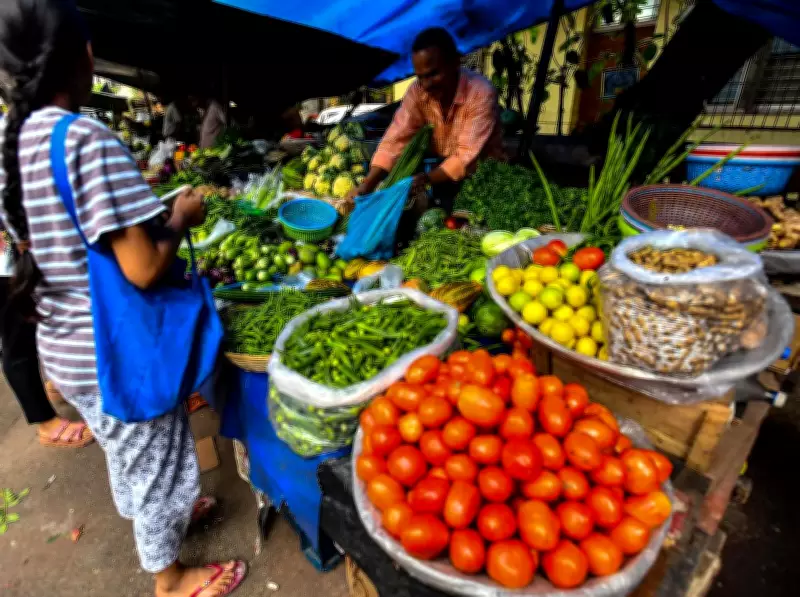
Vegetable prices across the Mumbai Metropolitan Region have surged by an average of 50% since early May, driven by intense summer heat, reduced supply, and spoilage during storage and transportation. Green leafy vegetables and slender beans that wilt under the harsh sun are particularly costly.
Price Surge Across Markets
On Thursday, in areas such as Pedder Road, Andheri, Khar, Matunga, Borivli, and Navi Mumbai, french beans were sold at Rs 200 per kg. This is a significant increase from Rs 130-170 per kg in Navi Mumbai just a week ago. Green chillies, previously priced at Rs 100 per kg, have risen by 50% to Rs 150. Tomatoes, which typically cost Rs 25 per kg, have doubled to Rs 50-60. Lemons, essential for cool sherbets and salads during summer, are now priced at Rs 5-7 each.
Vendor Insights
Harishchandra Jaiswal, a greengrocer from Andheri East, noted, "French beans have soared to Rs 200, tomato is Rs 60, and all green leafy vegetables are costlier. A big bunch of coriander is now selling for Rs 40-60 per bundle, up from Rs 30-40. However, this summertime inflation is an annual upsurge that will subside with the advent of the monsoon."

Nitin Munnalal Gupta, a vendor from Matunga, added, "Papdi beans and cauliflower have risen from Rs 60-80 per kg to Rs 100-120. Thin slender vegetables like french beans and gavar have spiralled to Rs 200 and Rs 120-160 respectively. Leafy vegetables are also costlier by Rs 10-20 per bunch." Gupta explained that Matunga is a hub for the Gujarati community, which prefers purchasing various types of beans and gourds. In contrast, slum residents typically buy half a kg or 1 kg of a single vegetable to meet their family needs.
Supply Chain Challenges
On Thursday, the APMC Market in Vashi reported a 20-30% drop in arrivals. Traders expect high prices to persist for the next few weeks until pre-monsoon rains bring relief or new supply stabilises the market. Balasaheb Badade, an APMC wholesaler, attributed the price rise to heatwave conditions that have damaged crops and reduced yields in supplying regions such as Pune, Satara, Solapur, and Nashik. High mercury levels have also caused vegetables to spoil rapidly during transport.
Another trader, Manish Sanas, noted that reduced arrivals at APMC are due to lower volumes, with many farmers taking a break for new seasonal sowing while waiting for the monsoon. Water scarcity in some areas has also affected cultivation.
Outlook
Consumers are advised to brace for continued high prices in the near term. The situation is expected to improve with the onset of monsoon rains, which will replenish supplies and bring down costs. Until then, shoppers may need to adjust their budgets and opt for more affordable alternatives.






