

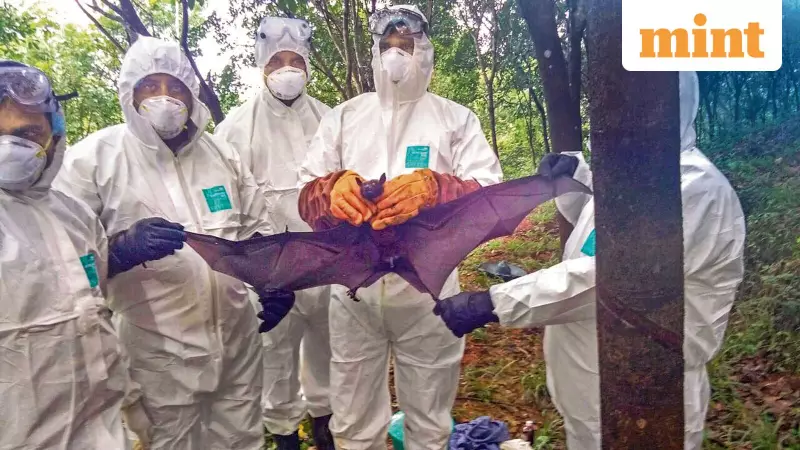
West Bengal Faces Nipah Virus Threat: Government Springs Into Action
India has launched an urgent surveillance drive following the identification of two suspected Nipah virus cases in West Bengal. The Central government activated the Public Health Emergency Operations Centre in New Delhi on January 11th. A National Joint Outbreak Response Team has been deployed to the region to prevent further spread of this dangerous pathogen.
Both patients under observation are nurses currently receiving care at the All India Institute of Medical Sciences in Kalyani, West Bengal. The government emphasizes early diagnosis and strict isolation protocols as critical containment measures. This rapid response reflects the serious nature of the Nipah virus threat to public safety.
Understanding the Deadly Nipah Virus
The Nipah virus represents a significant zoonotic threat, meaning it spreads from animals to humans. What makes this virus particularly dangerous is its exceptionally high fatality rate. Medical statistics show mortality typically ranges between 40% and 75%, with some outbreaks exceeding 90% fatality.

Infection progresses rapidly from mild flu-like symptoms to severe complications. Patients often develop acute respiratory distress and fatal encephalitis, which is a dangerous inflammation of the brain. This neurological deterioration can lead to coma within just 24 to 48 hours of symptom onset.
How the Virus Spreads Through Populations
Fruit bats of the Pteropus species, commonly called flying foxes, serve as the natural reservoir for the Nipah virus. Humans typically contract the virus through contaminated food sources. This includes consuming raw date palm sap or eating fruits that have been bitten by infected bats.
Once human transmission occurs, the virus spreads through close contact with bodily fluids. Blood, urine, and saliva can all carry the infectious agent. Healthcare settings present particular risks, where workers may encounter respiratory droplets or secretions without adequate protective equipment.
Historical Patterns of Nipah Outbreaks
The Nipah virus first emerged in Malaysia during 1998 and has since become a recurring threat in South Asia. India experienced its initial outbreak in Siliguri, West Bengal, back in 2001. That event affected 66 people primarily through hospital-based transmission.
West Bengal faced another outbreak in the Nadia district during 2007. More recently, Kerala has experienced repeated outbreaks since 2018, with one particularly deadly episode claiming 17 lives that same year. These patterns suggest environmental changes may be increasing the frequency of viral spillover from bats to humans.
Medical Research and Treatment Prospects
The Indian Council of Medical Research confirms that no approved vaccine or antiviral treatment currently exists for Nipah virus infections. India is actively working to develop indigenous countermeasures against this pathogen.
The most promising candidate is the m102.4 monoclonal antibody, which prevents viral entry into human cells. This antibody has demonstrated strong protection in animal studies and proven safe in Phase 1 clinical trials. While comprehensive human efficacy data remains incomplete, Australian authorities have used the antibody under compassionate protocols, and Kerala accessed it during recent outbreaks.
ICMR is now seeking partnerships with Indian pharmaceutical companies to manufacture these antibodies domestically. Medical experts emphasize that early symptoms often resemble routine viral fever, making diagnosis challenging. Neurological signs or breathing difficulties should trigger immediate concern and testing.
Government Containment Strategies
The government response involves multiple coordinated actions. Beyond activating the emergency operations center, experts from the National Institute of Virology and National Centre for Disease Control are conducting rigorous contact tracing. Current efforts prioritize early diagnosis, strict isolation protocols, and public awareness campaigns.
These measures build on lessons learned from previous outbreaks. Past containment successes relied on aggressive test-track-treat strategies, enhanced safety protocols at medical colleges, adequate protective equipment for healthcare professionals, and stringent infection control measures.

Why West Bengal Cases Raise Particular Concern
The current situation in West Bengal has triggered high-level alerts because both suspected patients work in healthcare. This echoes the 2001 Siliguri outbreak where 75% of the 66 cases resulted from hospital transmission.
When the virus enters clinical environments, it necessitates immediate activation of biosafety level-4 protocols. BSL-4 represents the highest biological containment level, reserved for extremely dangerous pathogens lacking vaccines or treatments. Strict isolation of primary contacts becomes essential to prevent wider outbreaks.
Medical professionals emphasize that treatment remains largely supportive, focusing on symptom management and complication prevention. Vigilance, early diagnosis, strict isolation, and public awareness represent the strongest tools available to prevent limited outbreaks from escalating into major health crises.
