

Winter's Hidden Danger: How Cold Weather Spikes Blood Pressure and Kidney Risks
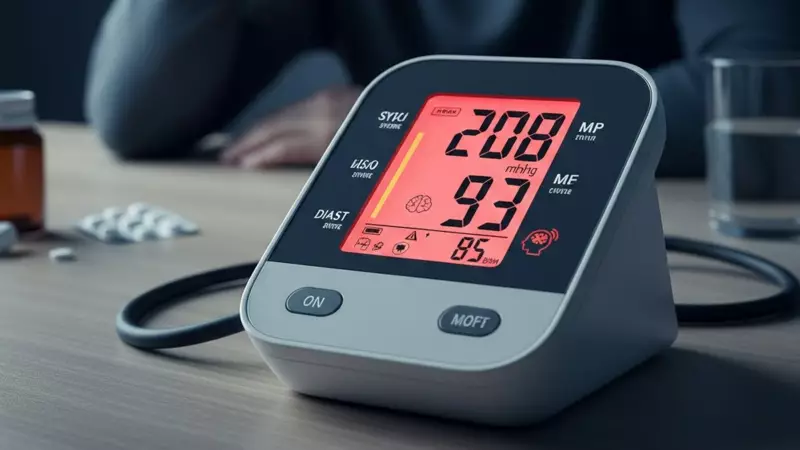
Anita Singhal discovered a frightening truth about winter. Her blood pressure soared to a dangerous 208/110 mmHg. This happened despite her disciplined routine of walking nearly 10,000 steps every day. She eats early dinners and avoids outside food, relying on home-grown organic meals. Yet, the cold months consistently undo her efforts.
A Silent Threat to the Kidneys
Anita was diagnosed with high blood pressure in her early 40s. She has lived with hypertension for over two decades. Medication initially kept her condition under control. However, years of fluctuating blood pressure eventually damaged her kidneys. Doctors later diagnosed her with nephrotic syndrome. This serious condition involves excessive protein leaking through damaged kidneys.
"High blood pressure damages the kidneys slowly," explains Dr. Sandeep Mahajan, a professor at AIIMS's Department of Nephrology. "In her case, prolonged hypertension enlarged the pores in the kidneys, leading to protein loss. That's when her kidney problems started."

The stressed kidneys cause salt and water retention. This leads to fluid overload and elevated blood pressure. It trapped Anita in a vicious cycle. One night, her situation became critical. Her systolic reading crossed 208, and her diastolic count was 110. A reading of 180/120 mmHg is already considered a crisis point. She had to be rushed to the hospital immediately.
Why Winter Poses a Greater Risk
For 56-year-old Mahendra Pratap, winters demand extra caution. Diagnosed with hypertension four years ago, he takes his BP medicines at the same time every day. He keeps himself hydrated and wears multiple layers. "I keep myself under layers and have warm water," he says. Both Anita and Mahendra need extra warmth and often an increased dose of medication every winter.
Dr. Tarun Kumar, senior director at Medanta Moolchand Heart Centre, explains the physiological reasons. "Blood vessels constrict in lower temperatures, circulation slows and blood thickens slightly. All of these factors can push blood pressure upward," he says. Dr. Kumar emphasizes maintaining strict drug and lifestyle discipline during cold months.
The Heart Works Harder in the Cold
Dr. Kumar details why BP patients must be extra vigilant in winter. The process starts with vasoconstriction. Blood vessels narrow to preserve body temperature. This directly raises blood pressure. Several other changes follow:
- People tend to eat more and reduce physical activity, leading to weight gain and poor blood sugar control.
- Reduced sweating increases intravascular fluid volume, further raising blood pressure.
- There is a higher risk of clot formation due to hormonal changes, reduced activity, and clotting abnormalities.
"Together, these changes increase blood pressure and put additional strain on the heart," Dr. Kumar states. As a result, many patients with previously controlled blood pressure require higher medication doses. Some are diagnosed with hypertension for the first time only after presenting with symptoms like nasal bleeding or stroke.
Increased Health Complications in Winter
The clinical impact is significant. "Heart attack cases increase by about 20 to 30 percent at my OPD during peak winter months," Dr. Kumar reports. This surge is driven by uncontrolled hypertension, uncontrolled diabetes, increased cardiac strain, and a higher risk of clot formation. He notes that about 40 percent of patients visiting OPDs in winter have uncontrolled hypertension or related complications. These include nosebleeds, intracranial bleeding, and severe headaches.
A major problem is that hypertension is largely asymptomatic, especially in early stages. "Many people fail to notice rising blood pressure," Dr. Kumar warns. Worse, those on medication sometimes discontinue it once their levels normalize, leading to a dangerous rebound. He stresses that BP medication must be taken at the same time every day. This ensures stable drug levels in the body, which helps stabilize blood pressure throughout the day.

The Critical BP-Kidney Connection
Dr. Mahajan highlights a crucial link. Patients who already have kidney disease are especially prone to hypertension. "During winters, many patients who are well-controlled on a certain number of medications may require an additional dose," he says. If they do not monitor their blood pressure regularly, they may not realize it has increased. This silent rise can accelerate kidney disease progression.
However, patients who track their BP and report changes receive timely medication adjustments. "Starting October, we advise patients to monitor their blood pressure closely, even when on medication," Dr. Mahajan advises. "Those who are unaware of this seasonal effect often face the most problems. If blood pressure rises in older adults, the chances of complications are higher."
The Role of Indoor Physical Activity
Dr. Mahajan also emphasizes maintaining indoor physical activity during colder months. Physical activity lowers blood pressure through several mechanisms:
- It strengthens the heart to pump more efficiently.
- It reduces arterial stiffness.
- It decreases stress hormones.
- It improves blood vessel function.
- It helps manage weight.
"Exercise strengthens muscles for better sugar use and helps filter waste more efficiently, slowing kidney disease," adds Dr. Mahajan. This holistic approach is vital for managing both hypertension and kidney health during the challenging winter season.
The story of Anita Singhal serves as a powerful reminder. Even with a healthy lifestyle, winter demands extra vigilance. Regular blood pressure monitoring, consistent medication, and adapted physical activity are non-negotiable for safeguarding heart and kidney health in the cold.
