

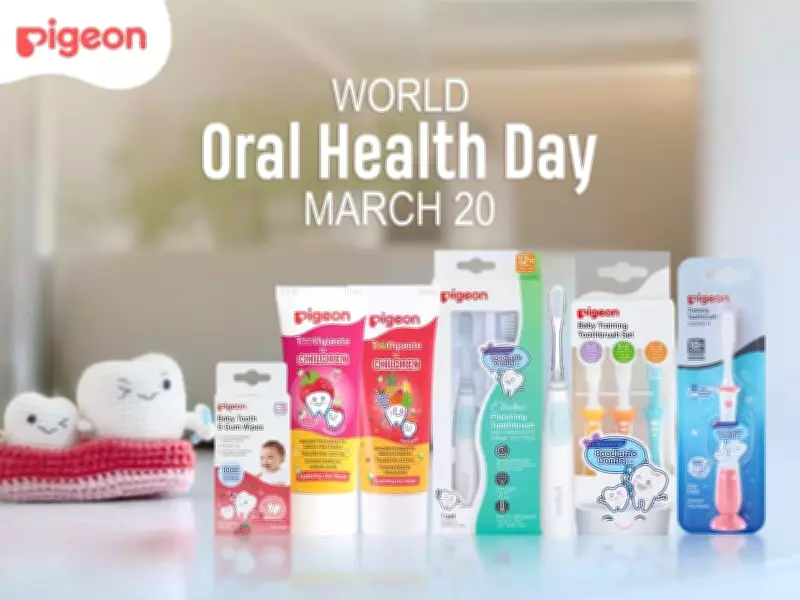
World Oral Health Day 2026: Why Early Oral Care Is Crucial for Babies and Toddlers
Every year on March 20, World Oral Health Day serves as a vital reminder that a healthy smile is not a given but a result of consistent daily practices. A widespread misconception suggests that dental care can be postponed until a child grows older. In reality, the foundation for robust oral hygiene begins the moment a newborn arrives home. Establishing a routine early on does more than merely clean teeth; it safeguards delicate gums and helps infants become comfortable with oral care tools as they develop.
The Significant Role of Baby Teeth
It is easy to overlook baby teeth because they are temporary, but these small structures are essential workhorses. They play a pivotal role in enabling babies to chew properly, supporting clear speech development, and acting as placeholders for permanent adult teeth. With enamel that is much thinner than that of adult teeth, baby teeth are surprisingly susceptible to cavities. When residues from milk, formula, or solid foods linger in a tiny mouth, they create an ideal environment for bacteria. Without careful attention, this can lead to early childhood tooth decay, one of the most common yet preventable dental issues in young children.
When to Begin Oral Care Routines
If you wait for the first tooth to emerge, you might already be behind schedule. Milk can leave a film on gums from day one, making it advisable to start cleaning habits during the initial months of infancy.

- Infancy (0-6 Months): After feedings, gently wipe your baby's gums using gum wipes, a clean damp cloth, or a silicone finger brush.
- The First Tooth: As soon as the first tooth appears, typically around six months, transition to a small, soft-bristled baby toothbrush.
- The One-Year Milestone: After the first birthday, introduce a tiny smear of mild toothpaste specifically formulated for toddlers.
These incremental efforts help normalize oral care, integrating it seamlessly into daily routines rather than making it a struggle.
Selecting Appropriate Dental Tools
Using an adult toothbrush on a baby is akin to employing a harsh scrub brush on delicate fabric—it is simply too abrasive. Infant dental products are specifically engineered for safety and comfort. Look for features such as extra-soft bristles, micro-sized brush heads, and non-toxic materials. Opting for kids' toothpaste with a mild flavor ensures it does not overwhelm their sensitive palates. When tools are tailored to the developmental stage, the entire process becomes smoother for both parent and child.
Establishing Lasting Oral Hygiene Habits
The objective is to cultivate a "brushing culture" within the household. Here are effective strategies to achieve this:
- Avoid Bedtime Bottles: Never put your baby to sleep with a bottle of milk, as sugars lingering on teeth overnight can cause "bottle rot," a form of decay.
- Make It Enjoyable: Transform brushing into a playful game or a song-filled activity to engage your child.
- Lead by Example: Children naturally imitate adults; brushing your teeth alongside them demonstrates that it is a routine practice for everyone.
When to Consult a Dental Professional
Most pediatric experts recommend scheduling the first "well-baby" dental visit by the child's first birthday or within six months of the first tooth's emergence. This appointment is not merely a checkup; it offers an opportunity for parents to receive personalized advice and for dentists to monitor developmental progress. If you observe white or brown spots, swollen gums, or signs of discomfort during feeding, do not delay—seek a consultation promptly.
Small Steps Yield Significant Benefits
This World Oral Health Day 2026 conveys a straightforward message: initiate small steps now. While it may seem like an additional task in a busy day, these minor routines lay the groundwork for a lifetime of healthy smiles, emphasizing that early intervention is key to preventing dental issues and promoting overall well-being.






