

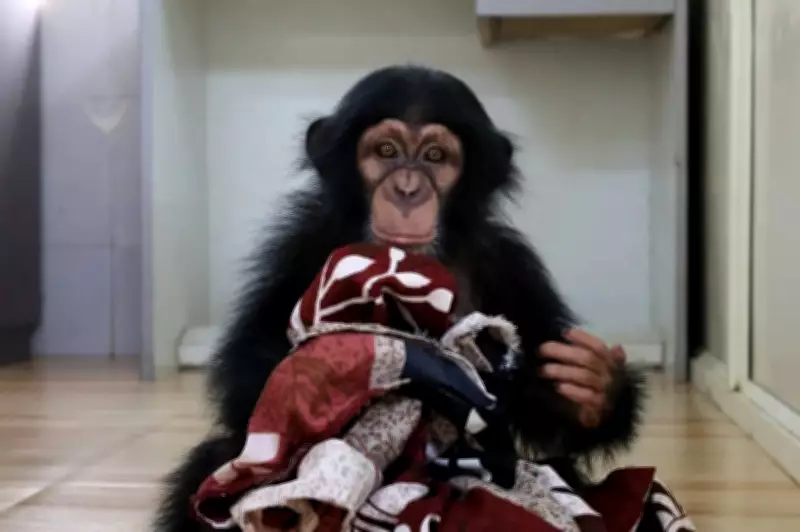
Nandankanan Zoo Achieves Rare Success in Hand-Rearing Abandoned Chimpanzee Infant
In an exceptional demonstration of sustained veterinary intervention and specialized neonatal care, the Nandankanan Zoological Park in Bhubaneswar has successfully hand-reared a chimpanzee infant after it was abandoned by its mother merely 20 days after birth. This remarkable case highlights the zoo's advanced capabilities in wildlife conservation and animal welfare.
Abandonment and Immediate Intervention
The infant chimpanzee, affectionately named Suraj by his caregivers, was born on January 30, 2025, to a chimpanzee pair named Durga and Jullu. Zoo officials reported that Durga, a first-time mother, initially exhibited normal maternal behavior, nursing the newborn during the initial weeks. However, she soon began neglecting the infant, feeding him irregularly and frequently leaving him unattended, which prompted urgent action from the veterinary team.
Deputy Director Abhay Dalei explained, "Veterinary staff stepped in for round-the-clock care, feeding the infant bottled human milk formula and closely monitoring its growth. Now over 14 months old, Suraj has survived and developed well under expert supervision. It is a classic case of maternal abandonment followed by successful intervention and sustained nurturing by the zoo."

Specialized Nursery and Intensive Care
Following a thorough veterinary assessment and welfare review, Suraj was separated from his mother on February 20, 2025, and transferred to the zoo's dedicated nursery for hand-rearing animal babies. This facility is equipped with advanced neonatal care resources, including air-conditioned cells and intensive care support, ensuring optimal conditions for vulnerable infants.
Dalei elaborated, "Our nursery is managed round the clock by trained animal keepers working in rotational shifts under veterinary supervision. It is designed to provide a safe and controlled environment for such critical cases."
Currently, Suraj is housed in a secure padded bed with raised edges to ensure his safety and thermal comfort. A zoo official detailed the feeding regimen: "After separation from the mother, feeding was kept intensive during the first 15 days to mimic natural nursing patterns. As Suraj stabilized, the quantity of feed was gradually increased and the interval between feeds reduced in line with his growth and health condition."
Thriving Development and Broader Implications
Suraj is now in good health and has shown steady physical development under the expert supervision of the zoo's team. Nandankanan Zoological Park maintains a dedicated system for the neonatal care of vulnerable wild animals, and Suraj's survival is a testament to these efforts.
Dalei emphasized, "Suraj's survival reflects the constant efforts of our veterinary team and animal keepers. It underscores our commitment to wildlife conservation and animal welfare."
The zoo currently houses eight chimpanzees, including five females, with Suraj now integrated into the group. This successful rearing also benefits from the zoo's prior experience, having raised another male chimpanzee, Kartika, in 2009, demonstrating a legacy of expertise in primate care.
This case not only showcases the zoo's advanced veterinary capabilities but also contributes valuable insights into the hand-rearing of endangered species, supporting broader conservation goals.






