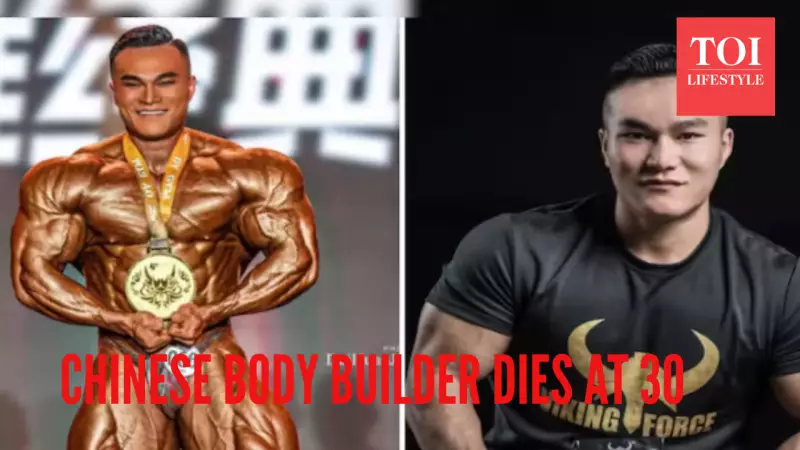
The fitness community in India and globally is reeling from the sudden and tragic death of Wang Kun, a 30-year-old Chinese bodybuilding champion. Kun passed away on December 17, 2025, from a suspected heart-related problem, as confirmed by the Anhui Provincial Bodybuilding Association. His death has sent shockwaves through the world of strength sports, challenging the perception that extreme discipline and a clean lifestyle alone guarantee immunity from health crises.
A Decade of Monastic Discipline Cut Short
Wang Kun was the epitome of dedication in the bodybuilding world. For over a decade, he lived what he described as a 'monk's life', adhering to a strict regimen of training, a spartan diet, and complete abstinence from smoking and alcohol. His relentless pursuit of physical perfection earned him eight consecutive national titles under the China Bodybuilding Association before he turned professional in 2022 to compete in international IFBB events.
His daily routine was legendary. He trained through holidays, including Chinese New Year, and his diet consisted of basic foods like hot pot broth, soy sauce-cooked meat, and boiled chicken breast. As a gym owner, he was planning a new branch in Hefei, viewing it as a fresh start. To his fans, he was the ultimate role model for clean living, making his sudden passing just days after appearing healthy all the more devastating.

The Silent Strain of Bodybuilding on the Heart
While the exact medical details of Wang Kun's death remain unclear, his case highlights a known but often overlooked danger in strength sports: silent heart damage. Experts point to several potential causes common among athletes like him, including arrhythmia, an enlarged heart muscle, or blocked arteries resulting from years of intense training strain.
The phenomenon known as 'athlete's heart' or left ventricular hypertrophy is a key risk. Heavy weightlifting and maintaining extremely low body fat place enormous oxygen demands on the body. Over time, the heart muscle thickens to cope, which can make it stiff and elevate the risk of irregular heartbeats. Alarmingly, studies indicate that male bodybuilders face a three times higher rate of early death from heart issues compared to the average male population.
This strain exists even without performance-enhancing drugs. The sheer physical stress of lifting can raise blood pressure, leading to heart muscle enlargement. Furthermore, the practices common before competitions—such as severe calorie deficits, dehydration, and sodium manipulation—can deplete electrolytes crucial for maintaining a stable heart rhythm, adding immense stress to the kidneys and heart.
Lessons for Fitness Enthusiasts in India and Beyond
Wang Kun's story is a sobering reminder that intensity without balance can be dangerous. A European study of 305 bodybuilders found that 15% died before the age of 40, mostly from cardiac causes. This underscores that overtraining syndrome can weaken the immune system and hormonal balance, proving that extremes, even when 'clean', carry inherent risks.
For fitness enthusiasts and bodybuilders, vigilance is critical. Warning signs that should not be ignored include:
- Unexplained fatigue during normal workouts
- Chest tightness or pain
- Dizziness or lightheadedness
- Feeling irregular heartbeats (palpitations)
Protecting heart health in strength sports requires proactive measures: An annual check-up with a cardiologist is non-negotiable for serious lifters. Monitoring blood pressure regularly, staying fully hydrated, consuming potassium-rich foods, and ensuring adequate recovery with 7-9 hours of sleep are essential. While supplements can help, a foundation of whole foods is best for long-term health.
The tragic loss of Wang Kun serves as a powerful call to the fitness community to prioritize holistic health, listen to their bodies, and understand that the heart, like any other muscle, has its limits.