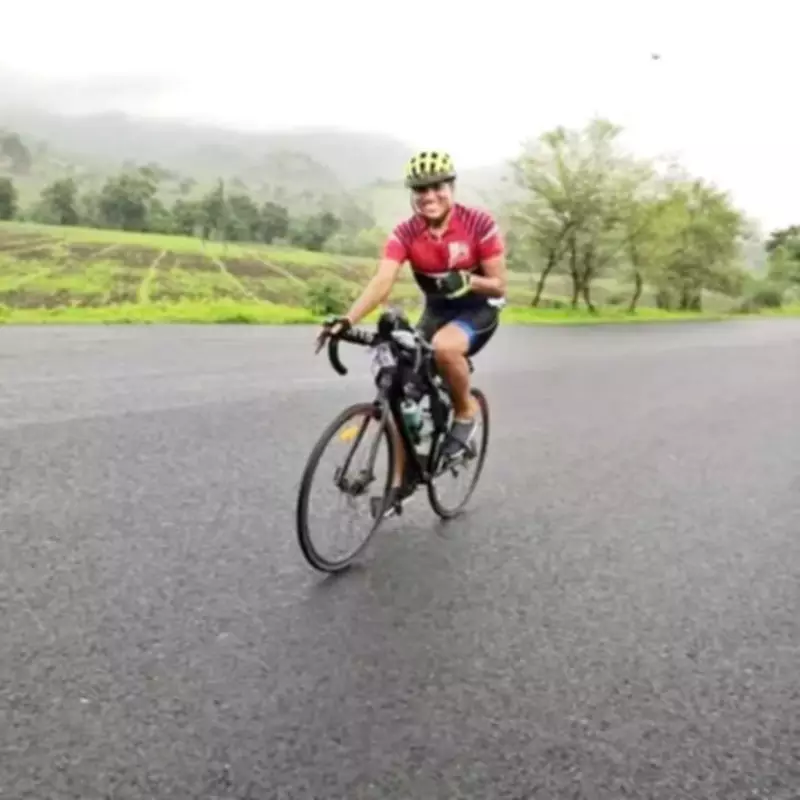
Across Gujarat, a growing number of car owners—including those with luxury vehicles—are turning to bicycles, motivated not only by the Prime Minister's call for austerity but also by a desire for a healthier lifestyle. Affluent industrialists, businesspersons, and doctors are leading this commuter revolution, pedaling their way to work and for daily errands.
Rajkot's Cycling Pioneers
In Rajkot, the trend of cycling for health and financial prudence predates the recent West Asia conflict. Divyesh Agehra, an industrialist who runs an engineering unit and is associated with the Rajkot Cycle Club, has been cycling for 15 years. Although he drives to his office, he prefers a bicycle for short-distance work trips during the day. "I cycle up to 15km on average for work-related travel. It helps save fuel and keeps me fit," Agehra said. "During peak summer, I usually cycle in the evening, while in winter I use the bicycle for work throughout the day." Agehra initially started a small cycling group through a social club. Later, encouraged by the Rajkot municipal commissioner, he helped establish the Rajkot Cycle Club, which now has around 170 members.
Ahmedabad's Pandemic-Inspired Habit
In Ahmedabad, cycling became a practical choice during the Covid pandemic for Jay Samani, a professional. With vehicles off the roads and movement limited, Samani relied on a bicycle to reach quarantine centers to support patients. Over time, this routine turned into a habit rooted in discipline, fitness, and social responsibility. Today, he uses his cycle for errands, meetings, and commutes within a 35-40km radius. Samani believes wider adoption of cycling can ease congestion and improve public health, especially if cities invest in safer cycling infrastructure. "Cycling not only conserves energy resources but also boosts personal momentum, improves physical fitness, and provides a unique sense of pride," Samani said.

Health Benefits and Medical Endorsement
Fitness through cycling is not a vague aspiration, as demonstrated by Rajkot businessman Atul Gupta, who has a pan-India tiles business. He cycles to work twice a week and keeps Sundays completely car-free. "I was highly diabetic, but cycling helped me significantly," he said. "Doctors reduced my medication, and now I can even enjoy my favorite dishes without much worry." Rajkot orthopedist Dr. Nishit Sanghvi affirms that cycling is closely linked to preventive healthcare. He cycles between 18 and 25 days a month, covering nearly 40km during each session. "My family has a strong history of diabetes from both my father's and mother's sides. I was highly vulnerable to developing the condition," Sanghvi said. "To avoid reaching that stage, I started cycling and to date, I have not required medication, though doctors say I remain in a pre-diabetic condition."
Vadodara's Fuel-Saving Commuters
In Vadodara, Vikas Shah, owner of a hotel in Sayajigunj, increased his cycling frequency after the Prime Minister's appeal to save fuel. "I used to ride from my home to the hotel a few times a month," he said. "It was a convenient and faster mode of transport and offered a good workout." Shah now cycles four to five days a week. Another Vadodara resident, Sachin Jadhav, a longtime cycling enthusiast, began pedaling frequently to his workplace when fuel prices rose recently. "It's a 20km ride from my home to the workplace and back. I used to ride occasionally in the past, but now I have begun using a bicycle almost daily," said Jadhav, a quality manager in a multinational company. He added, "It's necessary to conserve fuel and riding a bicycle helps save a lot of money. Also, there is an added advantage of staying fit."
Infrastructure Challenges Persist
While the Rajkot Municipal Corporation (RMC) promotes cycling through a scheme offering Rs 1,000 assistance for bicycle purchases, cyclists say infrastructure on the ground is deficient. The civic body had developed an 11km model stretch along the 150 Feet Ring Road with dedicated footpaths and cycle tracks on both sides of the BRTS corridor. However, cyclists report that the facilities are poorly maintained and largely unusable, with large sections of the cycle tracks and footpaths encroached upon by hawkers and autorickshaws.