Aadhaar Biometrics Reunite Lost Nagpur Teen with Family After Two-Year Ordeal
For nearly two years, a young girl in Nagpur existed without a name, a past, or a place to call home. Found in a frail and disoriented condition near Khaparkheda's PWCEN colony in September 2024, she suffered from a mental health condition and had no memory of her identity or origins. Barely 17 years old at the time, her silence carried the profound weight of a life seemingly erased.
Rescue and Initial Care
Rescued by the Khaparkheda police, the teenager, later referred to as Manisha (name changed for privacy), was placed under the care of the Asha Kiran Balgruh Care and Support Center in Mhasala, Nagpur. There, she gradually recovered physically, but her identity remained an enigma. With no documents, no recollection, and no leads, her case stood as a quiet yet stark reminder of how easily individuals can slip through societal cracks. Despite this, the search for her identity persisted unwaveringly.
Persistent Efforts and Technological Breakthrough
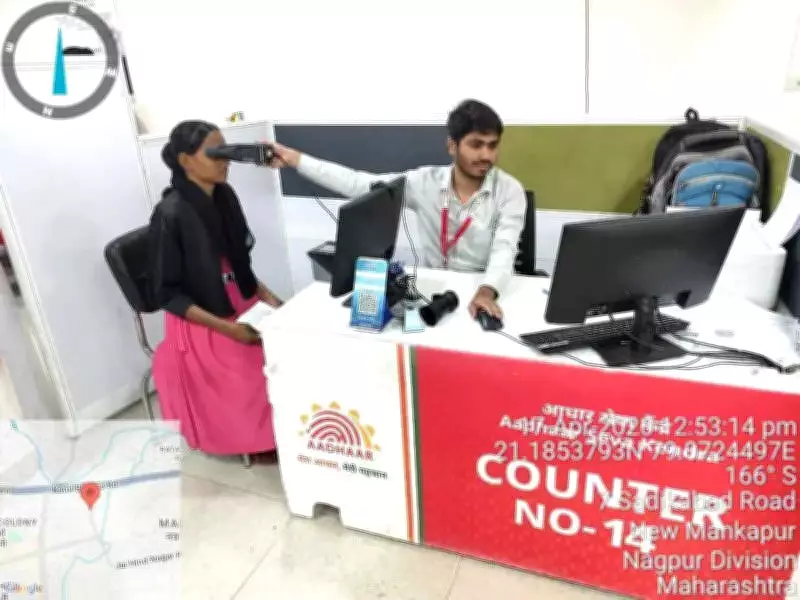
Caregivers at the shelter, alongside authorities, continued their diligent efforts, clinging to the hope that one day, Manisha would find her way back home. That pivotal breakthrough arrived on April 17, through an unlikely but powerful tool—Aadhaar. Utilizing the biometric-based ‘Find Aadhaar' feature available on the Unique Identification Authority of India (UIDAI) portal, officials conducted a thumbprint verification. The system successfully matched her biometric data with an existing Aadhaar record from Uttar Pradesh. What had once seemed an untraceable case suddenly gained a name, a family, and a clear destination.

Emotional Reunion and Official Response
The verification was formally authenticated, initiating the process of reconnecting Manisha with her roots. Officials involved described the moment as deeply moving, transforming long-standing uncertainty into a narrative of hope and closure. The superintendent of Asha Kiran Balgruh expressed profound gratitude to UIDAI, the police, and all authorities who worked tirelessly on the case. "This is more than identification; it is the restoration of a life," the official stated. With support from the Child Welfare Committee and legal authorities, arrangements are now underway for Manisha's safe return to her family, marking the first time in two years that her journey has a definitive direction.
Broader Implications of Aadhaar
Beyond this individual story, the case illuminates the larger role of Aadhaar in bridging identity gaps, particularly for vulnerable and forgotten populations. In Manisha's instance, a simple biometric match served as the crucial thread that stitched together a life once lost. What began as a case of anonymity has evolved into a quiet testament to how technology, when applied with care and intent, can restore not merely identity but also dignity and a sense of belonging.