

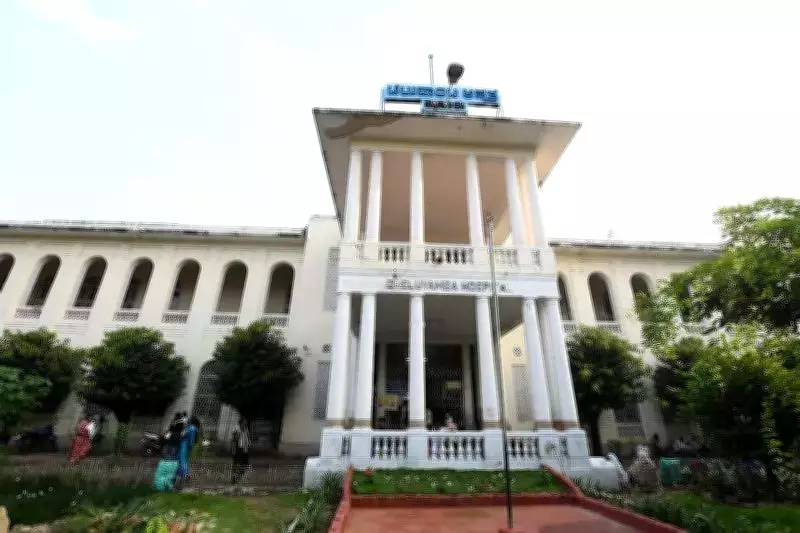
Cheluvamba Hospital in Mysuru Announces Major NICU Expansion to Address Critical Overcrowding
Facing severe and sustained pressure on its neonatal intensive care services, Cheluvamba Hospital in Mysuru has unveiled a significant expansion plan that will double its NICU capacity. The hospital's existing 30-bed neonatal intensive care unit has been overwhelmed by approximately 30 deliveries occurring daily, with at least five newborns typically requiring intensive care and many critical infants needing extended stays.
Two-Phase Expansion Plan to Add 30 New NICU Beds
The hospital administration has confirmed that the expansion will proceed in two distinct phases to minimize disruption to current services. In the first phase, 15 additional NICU beds will be installed within the next 10 days, providing immediate relief to the overcrowded unit. The remaining 15 beds will be added within the following two months, ultimately bringing the total NICU capacity to 60 beds.
Dr. N Pradeep, head of the paediatrics department at Mysore Medical College and Research Institute (MMCRI), which oversees Cheluvamba Hospital, explained the urgent need for expansion. "Due to the growing demand for NICU services, we proposed additional beds. At present, we have a 30-bed NICU. Within 10 days, 15 more beds will be added, and another 15 beds will be installed in the next two months, taking the total to 60 beds," he stated in an interview.

Understanding the NICU Pressure: From Routine Monitoring to Prolonged Critical Care
Hospital authorities provided detailed insight into the factors creating such intense pressure on their neonatal intensive care resources. While most babies admitted to the NICU require relatively brief monitoring of two to three days, a significant number of cases involve much more complex and extended care requirements.
Preterm infants and those with low birth weight who develop complications such as sepsis and hypothermia often need prolonged intensive care spanning 15 to 20 days. These extended stays for the most vulnerable newborns have dramatically increased pressure on the limited available beds, creating bottlenecks in the hospital's ability to admit new critical cases.
Statistical Reality: 700 Monthly Deliveries with 15% Needing NICU Support
The scale of demand becomes clearer when examining the hospital's delivery statistics. Cheluvamba Hospital handles approximately 700 deliveries each month, with Dr. Pradeep noting that about 15% of these newborns require some level of NICU support. This translates to roughly 105 infants monthly needing specialized neonatal intensive care services, far exceeding the current 30-bed capacity when considering the extended stays required by many patients.
The expansion is expected to significantly strengthen neonatal care services throughout the region. Dr. Pradeep emphasized that a formal proposal has already been submitted under the National Health Mission to recruit additional medical and support staff for the expanded facility, ensuring that the increased bed capacity is matched with appropriate personnel resources.
This strategic expansion represents a critical investment in Mysuru's healthcare infrastructure, addressing a pressing need for enhanced neonatal intensive care services as the hospital continues to serve a growing population with increasingly complex medical requirements.






