Prescription Rule Tightened After Madhya Pradesh Tragedy
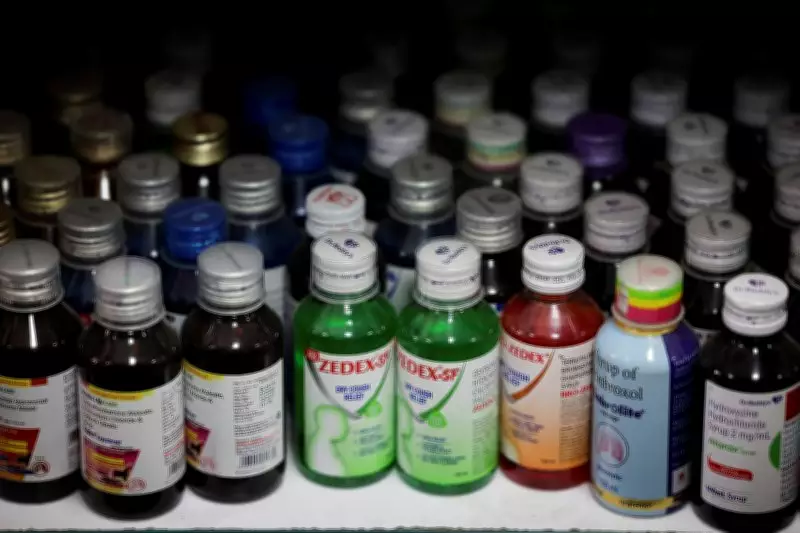
In June 2026, the Government of India removed all syrups, including cough syrups, from Schedule K, which previously allowed their sale at non-pharmacy retail stores in villages with populations under 1,000. Now, medicated syrups cannot be sold in retail stores nationwide and require a doctor's prescription. This decision followed the October 2025 deaths of children in Madhya Pradesh after consuming contaminated cough syrup.
However, claims that this makes a doctor's prescription mandatory for cough syrups are misleading. Most medicated cough syrups—excluding herbal ones—already contained ingredients requiring a prescription, but that rule was widely ignored. The new regulation reinforces the requirement, aiming to curb misuse.
Widespread Misuse of Cough Syrups in India
Cough syrups are among the most misused medicines in India. Many are bought without diagnosis, used for viral colds where they offer little benefit, given to young children despite safety concerns, or consumed repeatedly because the sweet liquid appears harmless. Some formulations contain antihistamines, decongestants, sedatives, opioids, or alcohol-like solvents, which can cause harm. Adolescents and adults also abuse certain syrups.

A prescription requirement can slow casual purchases, force a clinical encounter, and remind citizens that cough syrup is a medicine, not a comfort drink. Yet, many parents demand syrups for a child's cough, and if a doctor refuses, they may seek another who will prescribe. Old prescriptions are reused for similar symptoms. The new regulation could reduce such misuse and alter behaviour.
Prescription Alone Cannot Prevent Contamination
According to Dr. Chandrakant Lahariya, the cough syrup tragedy was not primarily caused by the absence of a prescription. It was caused by a contaminated product reaching children. When diethylene glycol or ethylene glycol—industrial chemicals that should never be in medicines—enter a syrup, the failure lies upstream: in manufacturing, raw material procurement, testing, licensing, inspection, and recall.
Other countries offer useful lessons. In the US, many cough and cold medicines are over-the-counter, but regulators warn against use in children under two, and manufacturers label them against use under four. In the UK, several preparations are not recommended for children under six, and use in ages six to 12 is pharmacy-supervised. Australia discourages use in young children and strengthens labelling. These countries rely on age restrictions, warning labels, pharmacist counselling, poison-control systems, and surveillance—not just prescriptions.
India Needs a Layered Approach
First, cough and cold syrups should not be prescribed or dispensed for children below two years, except on specialist advice. For older children, standard care should begin with fluids, fever control, saline drops, honey after one year, and advice on warning signs. Most coughs are viral and self-limiting.
Second, manufacturing regulation must be strengthened. Every oral liquid medicine should be tested for toxic glycols when excipients like glycerine, propylene glycol, or sorbitol are used. Testing should be batch-wise, auditable, and traceable. Raw material suppliers must be licensed and tracked. Drug regulators need trained inspectors, modern laboratories, digital records, and independence from pressure. Repeated violations should lead to prosecution and licence cancellation.
Third, faster recall is needed. Once a contaminated product is suspected, information should move in hours, not days. A national digital drug recall platform linked to batch numbers, pharmacies, doctors, hospitals, and the public can save lives. Every bottle should carry a QR code for verification of manufacturer, batch number, expiry, and recall status.
Fourth, doctors should mention diagnosis, age-appropriate dose, and duration in prescriptions. Combination cough syrups should not be used casually. Pharmacists should record sales, counsel caregivers, and refuse unsafe requests. Professional bodies should issue practical guidance for busy clinics and pharmacies.

Finally, communities must be partners. Anganwadi workers, ASHAs, schoolteachers, paediatricians, family physicians, and local media can spread three messages: do not self-medicate young children; do not reuse old syrups; and seek urgent care if a child develops reduced urination, persistent vomiting, drowsiness, fast breathing, or worsening illness after any medicine. Panchayats and resident welfare associations can hold medicine-safety days.
From Crisis-Driven Control to Everyday Drug Safety
Changing the point of sale does not secure the medicine-safety chain. The real task is to build a system where medicines are well made, prescriptions are rational, pharmacists are accountable, citizens are informed, and regulators act before tragedy strikes. India should move from crisis-driven control to everyday drug safety.