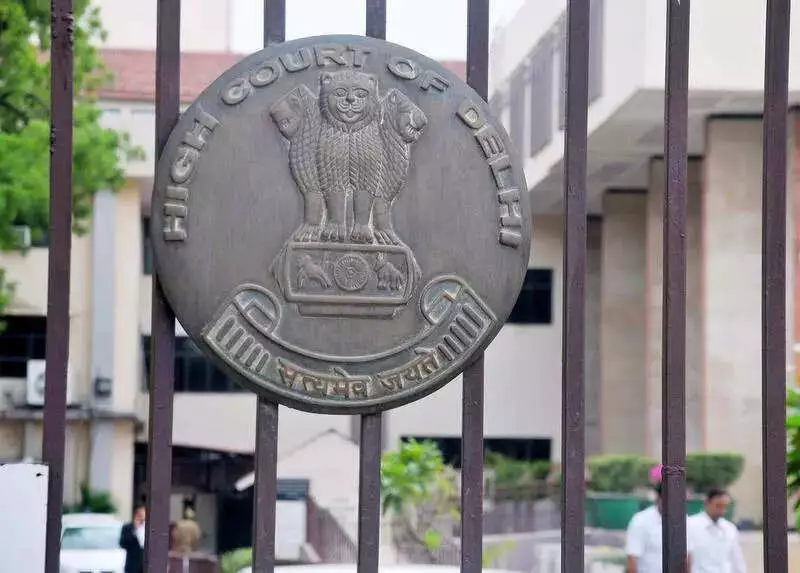
The Delhi High Court has issued a stern warning to the Delhi government, stating that persistent delays in implementing critical reforms in state-run hospitals are putting citizens' lives at risk and could severely degrade healthcare services in the capital.
Court Flags "Substantial Delay" in Basic Services
A special bench comprising Justice Prathiba M Singh and Justice Manmeet PS Arora expressed deep concern during a hearing this week. The judges highlighted a "substantial delay" in providing even fundamental medical services, such as radiological diagnostic facilities, across city hospitals. The bench was hearing a suo motu case initially taken up due to a dire lack of ICU beds and the absence of reliable, real-time information for patients in need of urgent care.
NextGen e-Hospital App Delay Defeats Its Purpose
The court specifically took strong exception to the sluggish rollout of the NextGen e-hospital application, a crucial hospital management software. This system was designed to transform patient access by providing real-time data on bed availability—including ICU and HDU beds—as well as doctor schedules and emergency service status across all government hospitals.

"The entire purpose of implementing the said application has been defeated due to the substantial delay, which is completely unacceptable to the court," the bench observed. It stressed that this application is vital for the effective delivery of emergency medical services in Delhi.
Health Secretary Summoned, Committee Recommendations Ignored
Frustrated by the inaction, the court has summoned the Health Secretary of the Government of NCT of Delhi to appear at the next hearing. The secretary must provide clear instructions regarding the stalled NextGen e-hospital application and the lagging radiological testing services.
The court underlined that the recommendations of the Dr. SK Sarin Committee must be implemented "in letter and spirit." This panel, constituted earlier by the court itself, had proposed key reforms for the public healthcare system. One of its major recommendations was the creation of a central control room to offer real-time information on ICU and HDU bed availability, ensuring timely critical care for patients.
The bench noted that despite prior assurances from the health secretary, swift and effective implementation remains pending. This failure continues to impact critically ill patients the most, who are often forced to move from one hospital to another in a desperate search for ICU beds.
The court cautioned that the continued failure to act is likely to have a serious adverse impact on health services and could endanger the lives of Delhi's citizens. It reiterated the urgent need for a transparent system that allows people to access accurate information on bed and doctor availability during emergencies.