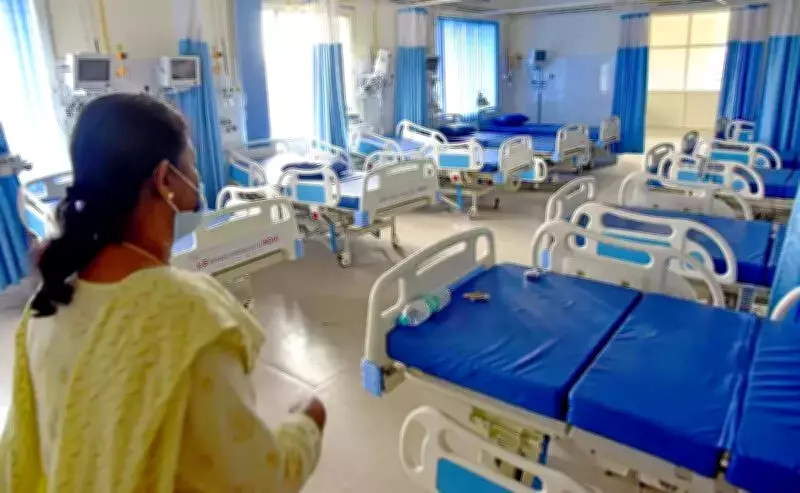
Family Accuses Faridkot Hospital of Ventilator Delay in Retired ASI's Death
In a distressing incident from Bathinda, the family of retired Assistant Sub-Inspector (ASI) Sukhwinder Singh has leveled serious allegations against authorities at the Guru Gobind Singh Medical College (GGSMC) in Faridkot. They claim that despite his critical condition, the hospital failed to provide a ventilator on time, which they believe contributed to his death nearly 11 hours after admission on Friday morning.
Details of the Alleged Negligence
Sukhwinder Singh was rushed to the hospital at approximately 8 am on Friday, with doctors reportedly stating that his condition was severe and required immediate ventilator support. According to family members, no ventilator was available at the time, leaving them in a state of helplessness as they watched his health deteriorate.
Kashmir Singh, a cousin of the deceased, expressed the family's anguish, noting that while there was no certainty a ventilator would have saved Sukhwinder Singh, the absence of one has deeply saddened them. He emphasized that the delay in accessing this critical medical equipment has raised questions about the hospital's preparedness and response in emergencies.

Hospital's Response and Explanation
In response to the allegations, Dr. Neetu Kakkar, the Medical Superintendent of GGSMC, provided clarification. She stated that the hospital has nearly 100 ventilators, but at the time Sukhwinder Singh was brought in, all were in use. This information was communicated to the family before his admission, according to hospital records.
Dr. Kakkar further explained that the patient had a damaged liver, and with the family's consent, medical staff performed manual ventilator pumping as an alternative measure. However, this intervention did not prevent his eventual passing, highlighting the complexities of his medical condition.
Broader Implications and Concerns
This incident has sparked concerns about healthcare infrastructure and resource management in hospitals, particularly in handling critical cases. The family's accusations point to potential gaps in emergency protocols and the availability of life-saving equipment, which could have broader implications for patient care standards in the region.
As investigations and discussions continue, this case serves as a reminder of the urgent need for hospitals to ensure timely access to essential medical resources to prevent such tragedies in the future.