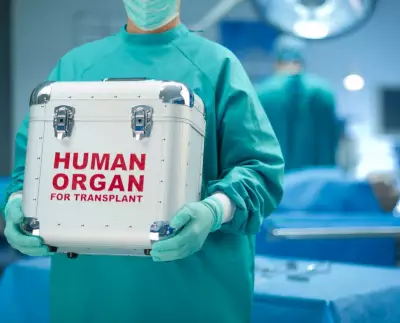
The right to health is a fundamental aspect of human dignity and well-being, yet for millions in India, it remains an elusive goal. Recent discussions in Karnataka have reignited the debate on whether the state can truly deliver on this promise. Despite constitutional provisions and various national health missions, the ground reality paints a stark picture of inadequate infrastructure, underfunding, and unequal access.
The Constitutional Promise and Current Realities
India's Constitution, through Directive Principles, envisions a state that ensures the health of its citizens. However, the right to health has not been explicitly guaranteed as a fundamental right. The government's commitment to universal health coverage, as outlined in the National Health Policy 2017, aims to provide accessible and affordable healthcare. Yet, the allocation of funds remains below the recommended 2.5% of GDP, hovering around 1.3% for years.
Infrastructure and Workforce Gaps
Karnataka, often considered a progressive state, exemplifies the challenges. Rural areas suffer from a severe shortage of doctors, nurses, and essential medicines. Primary health centres lack basic diagnostic facilities, forcing patients to travel long distances or rely on expensive private care. The doctor-to-population ratio in India is 1:1,511, far below the WHO standard of 1:1,000. This shortage is more acute in rural Karnataka, where many positions remain vacant.

Inequities in Access
The burden of out-of-pocket expenditure is crippling. Nearly 63% of healthcare spending in India comes from individuals, pushing millions into poverty each year. The Ayushman Bharat scheme, while ambitious, has faced implementation hurdles. In Karnataka, the state's own health insurance scheme, Arogya Karnataka, has struggled with low enrolment and delayed reimbursements. The poorest often slip through the cracks, unable to afford even basic treatments.
Policy and Governance Challenges
Fragmented governance is a major obstacle. Health is a state subject, leading to wide disparities in policy and outcomes. While Karnataka has launched initiatives like the Karnataka Health System Development Project, coordination between central and state programmes remains weak. Corruption and inefficiency further undermine efforts. The COVID-19 pandemic exposed these fault lines, with overwhelmed hospitals and a scramble for oxygen and beds.
The Way Forward
To fulfil the right to health, India must increase public spending, strengthen primary care, and ensure accountability. Community health workers, telemedicine, and digital health records offer promising avenues. Karnataka's recent move to establish health and wellness centres is a step in the right direction, but scaling up requires political will and sustained investment. The journey is long, but the destination—a healthy India—is worth every effort.