

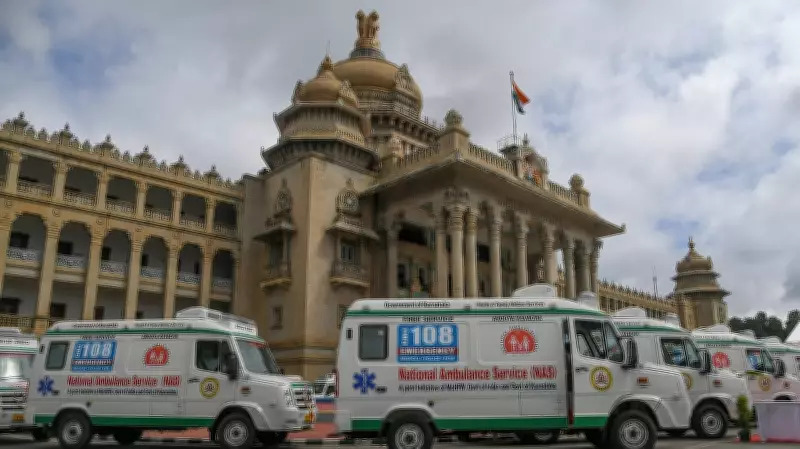
Karnataka Health Department to Reward 108 Ambulance Staff with Bonuses and Incentives
In a significant move to bolster emergency medical services, the Karnataka Health Department has announced plans to provide bonuses and incentives to Emergency Medical Technicians (EMTs) and pilots associated with the 108 ambulance network. This initiative comes as the department prepares to assume full operational control of the 108 services, a critical component of the state's healthcare infrastructure.
Transition to Direct Management Ensures Job Security
The decision to take over the 108 services marks a strategic shift towards direct governance by the health department. Officials have emphasized that existing employees currently working with the 108 ambulance system will be given priority and retained in their roles. This approach aims to maintain continuity and leverage the expertise of seasoned professionals who are already familiar with the operational nuances of emergency response.
The health department's commitment to employee welfare is underscored by the introduction of financial incentives. These bonuses and incentives are designed not only to recognize the hard work and dedication of EMTs and pilots but also to motivate them during this transitional phase. By ensuring job security and offering additional rewards, the department hopes to foster a stable and efficient workforce capable of delivering timely medical assistance across Karnataka.

Focus on Enhancing Emergency Medical Services
EMTs and pilots play a pivotal role in the 108 ambulance services, which are often the first point of contact in medical emergencies. Their responsibilities include providing pre-hospital care, navigating challenging terrains, and ensuring swift transportation to healthcare facilities. The health department's initiative to provide bonuses and incentives reflects a broader goal of enhancing the quality and reliability of these services.
As the health department integrates the 108 services under its direct purview, it plans to implement measures that improve operational efficiency and response times. This includes potential upgrades to ambulance fleets, advanced training programs for staff, and the adoption of technology-driven solutions to streamline emergency dispatch and coordination.
Implications for Public Health in Karnataka
The move to take over the 108 services and reward key personnel is expected to have positive implications for public health in Karnataka. By prioritizing employee retention and offering incentives, the health department aims to reduce turnover rates and build a more dedicated team. This, in turn, could lead to improved patient outcomes, as experienced EMTs and pilots are better equipped to handle critical situations.
Furthermore, the transition to direct management allows the health department to align the 108 services more closely with state healthcare policies and priorities. This integration may facilitate better resource allocation, standardized protocols, and enhanced accountability, ultimately benefiting communities across urban and rural areas.
In summary, the Karnataka Health Department's announcement to provide bonuses and incentives to EMTs and pilots signifies a proactive step towards strengthening emergency medical services. By retaining existing employees and recognizing their contributions, the department is laying the groundwork for a more robust and responsive healthcare system in the state.






