

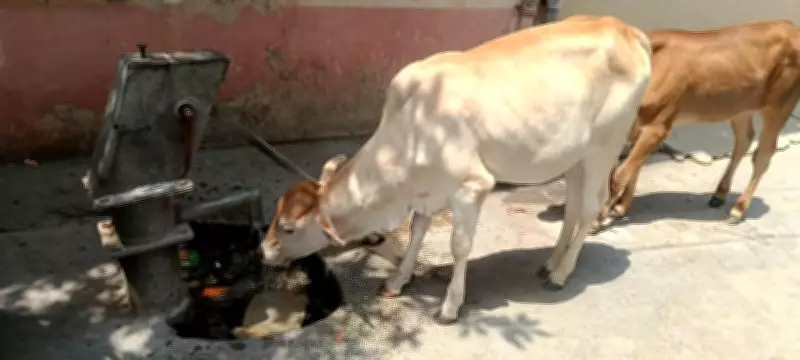
The Institute of Veterinary Biological Products (IVBP) in Pune, under Maharashtra's animal husbandry department, has commenced in-house production of the goatpox vaccine for the first time. This initiative aims to protect cattle from lumpy skin disease (LSD), which has caused thousands of livestock deaths across the state in recent years.
Benefits of In-House Production
Officials stated that producing the vaccine locally will lower costs, reduce reliance on private suppliers, and guarantee a steady supply during outbreaks. The state-run facility is equipped with advanced manufacturing and cold-storage infrastructure to meet field demands.
Kiran Patil, the animal husbandry commissioner, told TOI, “We have received all statutory sanctions to manufacture the goatpox vaccine, which we previously procured from suppliers. This is a major advantage, as we can now continue the vaccination drive as planned.”

The department plans to launch a statewide vaccination campaign this month.
Background of Lumpy Skin Disease
Maharashtra has experienced repeated LSD outbreaks over the past five years, resulting in thousands of cattle deaths and significant economic losses for dairy farmers and livestock owners. Patil added, “The vaccination drive will continue for the next few months across the state. We want to avoid any eventuality from the disease this season.”
YA Pathan, joint commissioner at IVBP and officer in charge, noted, “The institute has advanced production facilities and cold storage meeting statutory standards. We need over one crore doses to vaccinate cattle, and we have that capability. In-house production will cut vaccine costs by nearly 50%.” He emphasized, “The biggest advantage is uninterrupted supply. We can quickly respond to district demands and continue immunisation without delays.”
Disease Transmission and Impact
Lumpy skin disease, caused by a capripoxvirus, spreads primarily through blood-feeding insects like mosquitoes, ticks, and flies. Symptoms include fever, skin nodules, reduced milk production, infertility, and in severe cases, death. Major outbreaks between 2022 and 2025 affected lakhs of cattle in Maharashtra and other states.
Expert Opinions
Veterinary epidemiologists welcomed the move, calling it a crucial step for India's preparedness against emerging livestock diseases. A senior official said, “Vaccine availability is critical during outbreaks. State-level production ensures rapid deployment and reduces logistical bottlenecks.” Preventive vaccination remains the most effective strategy to limit disease spread.
Animal health experts noted that the goatpox vaccine is widely used as a heterologous vaccine against LSD, as both viruses belong to the same capripoxvirus group and provide cross-protection.
However, experts also highlighted the importance of indigenous LSD-specific vaccines like Lumpi-ProVac Ind, developed by the Indian Council of Agricultural Research (ICAR) in collaboration with national veterinary institutions. A senior scientist commented, “Lumpi-ProVac Ind is a major scientific advancement, designed specifically against the LSD virus isolated in India. It offers targeted protection and strengthens long-term disease control.”






