

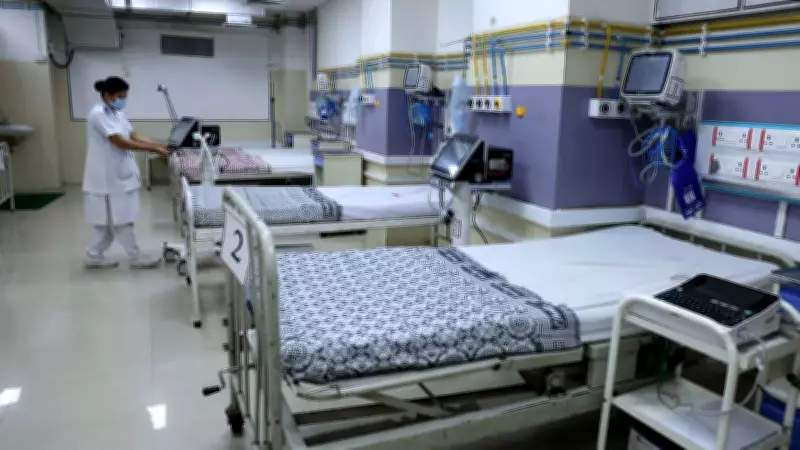
Manimajra Civil Hospital Introduces Specialty Services to Alleviate Pressure on Major Healthcare Centers
In a significant step to reduce the burden on tertiary healthcare facilities, the Health Department has officially launched specialty services at the Manimajra Civil Hospital. This initiative, driven by persistent demands from residents in surrounding areas, aims to provide easier access to specialist care closer to home, thereby enhancing local healthcare infrastructure.
Slot-Based Model Implementation Under PM-ABHIM Framework
The new services are being offered through a slot-based model, similar to systems already in place in peripheral regions as part of the PM-ABHIM (Pradhan Mantri Ayushman Bharat Health Infrastructure Mission) framework. Under this arrangement, specialists will conduct consultations at the civil hospital during fixed two-hour slots. Doctors involved in this program will receive compensation based on the duration of services provided, adhering strictly to department norms and guidelines.
The primary goal of this move is to decrease patient load on major hospitals like GMSH-16 and GMCH-32, while simultaneously strengthening secondary-level healthcare facilities. By offering specialist consultations locally, patients who previously needed referrals to these larger centers can now receive timely care at Manimajra Civil Hospital itself.

Positive Initial Response and Future Expansion Plans
Dr. Suman Singh, Director of Health Services, highlighted that the initiative has already yielded encouraging results since its recent launch. "We started these services recently, and the response from patients has been quite positive. Many cases that would otherwise have been referred are now being managed at the civil hospital itself," she stated. This positive feedback has prompted the Health Department to consider expanding the slot-based specialty services model to other civil hospitals in Chandigarh, with Sector 22 and Sector 45 Civil Hospitals expressing keen interest in adoption.
The department has initiated a call for specialists to apply, and appointments will be made following a rigorous selection process in line with existing rules. Officials noted that, depending on patient footfall and service demand, specialists from additional departments could be inducted in the future. "If the numbers justify it and the system stabilises as planned, more super-speciality services can be introduced," Dr. Singh added, underscoring the potential for growth.
Hospital Capacity and Impact on Referral Rates
Manimajra Civil Hospital, with a capacity of 100 beds, serves patients from Manimajra, Panchkula, Kishangarh, and several neighbouring areas. It houses various departments, including gynaecology, medicine, and general wards, along with an emergency unit featuring 13 reserved beds. Patient inflow, especially in trauma and emergency cases, varies daily, and referral decisions are typically based on clinical conditions.
On average, one out of every two or three cases requires referral to GMSH-16 or GMCH-32, depending on illness severity and nature. With the introduction of super-specialty services in psychiatry, dermatology, and paediatrics, the referral rate is anticipated to decline significantly, particularly for these specific medical cases.
Strengthening Diagnostic Facilities and Future Initiatives
In addition to clinical services, the Health Department is planning to bolster diagnostic facilities at civil hospitals. A persistent shortage of radiologists has often forced patients to seek imaging services at GMSH-16 or private diagnostic centers. If plans proceed as scheduled, patients at Manimajra and Sector 22 Civil Hospitals will soon gain access to ultrasound and other imaging services without the need for travel.
The department is currently in the process of appointing radiologists to these facilities, which is expected to ease access to diagnostic investigations, especially for pregnant women and critically ill patients. With increased radiology manpower, services such as ultrasound, X-ray, CT scan, and MRI referrals to private centers are likely to reduce.

Officials mentioned that the success of the MRI center launched under a public-private partnership (PPP) model at GMCH-16 has inspired the department to explore similar expansions across other government health facilities, further enhancing healthcare accessibility and efficiency in the region.





