

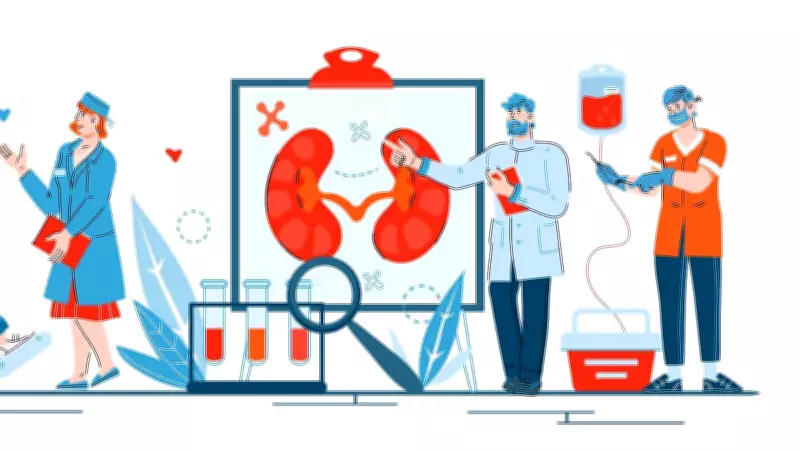
India's Medical Tourism Thrives Amid Rural Healthcare Struggles
While India's medical tourism sector continues to grow, attracting international patients with world-class facilities, rural areas face severe healthcare challenges. This disparity underscores a significant imbalance in the nation's health priorities.
Booming Medical Tourism Industry
The medical tourism industry in India is experiencing robust growth, driven by investments in advanced tertiary hospitals. These institutions offer cutting-edge treatments and services, positioning India as a global hub for affordable and high-quality medical care.
- Increased international patient inflows
- Expansion of specialized healthcare services
- Enhanced infrastructure in urban centers
Rural Healthcare in Crisis
In stark contrast, rural communities, particularly mothers, grapple with inadequate healthcare access. Primary Health Centers (PHCs) are plagued by multiple issues that hinder effective service delivery.

- Staff Shortages: Many PHCs operate with insufficient medical personnel, leading to overburdened staff and reduced patient care.
- Medicine Stock-Outs: Frequent shortages of essential medicines compromise treatment outcomes for common ailments.
- Crumbling Infrastructure: Dilapidated buildings and outdated equipment further exacerbate the challenges faced by rural populations.
Misplaced Priorities in Public Health
The focus on developing tertiary care for medical tourism while neglecting primary healthcare reflects a critical misalignment in resource allocation. This approach risks widening the health disparity between urban and rural areas.
Investing in PHCs is essential for building a resilient healthcare system that serves all citizens equitably. Addressing these foundational issues could improve maternal and child health outcomes significantly.
As India advances in medical tourism, a balanced strategy that strengthens rural healthcare infrastructure is urgently needed to ensure comprehensive health coverage across the nation.






