A 26-year-old woman from Mandla district in Madhya Pradesh delivered quadruplets in an auto-rickshaw while being rushed to a hospital, but all four newborns died shortly after birth. The family has alleged that the lack of an ambulance led to the tragedy, while health officials attribute the deaths to premature delivery and incomplete development.
Woman delivers quadruplets in auto-rickshaw
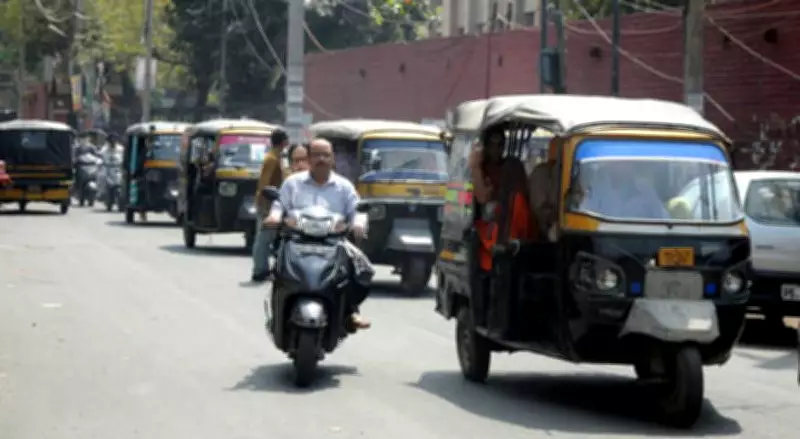
Rajni Singaram, a resident of Naigaon village, went into labour during the seventh month of her pregnancy on Tuesday. Her husband, Ganesh Singaram, contacted the emergency ambulance service (108) but received no response. With no other option, the family arranged a private auto-rickshaw to take her to the nearest health centre.
She was first taken to the government health centre in Ghuthas, where her condition was deemed critical. She was then referred to the community health centre in Bichhiya. However, before reaching Bichhiya, she gave birth to four babies — three girls and a boy — inside the auto-rickshaw.

All four newborns die; family blames ambulance delay
According to District Chief Medical and Health Officer (CMHO) Dr DJ Mohanty, all four babies weighed approximately 1.5 kilograms each and died due to prematurity. "They were born too early and their organs were not fully developed," Dr Mohanty said. The mother has been admitted to Bichhiya Community Health Centre and is reported to be out of danger.
Ganesh Singaram, the husband, insisted that the babies could have survived if an ambulance had arrived on time. "We called the 108 ambulance service as soon as my wife went into labour, but no one came. We had no choice but to use an auto-rickshaw. My children died because of this delay," he said.
Health officials cite premature delivery as cause
Dr Mohanty refuted the family's claim, stating that the babies were too premature to survive even under hospital care. "The pregnancy was only seven months, and the babies weighed around 1.5 kg each. Survival chances for such premature quadruplets are extremely low," he explained. He added that the district health department provides ambulance services, but demand often exceeds supply in remote areas.
The incident has reignited concerns over rural healthcare access in Madhya Pradesh. Mandla district, a tribal-dominated region with limited medical infrastructure, frequently faces shortages of emergency vehicles. Data from the National Health Mission indicates that the district has 35 ambulances serving a population of over 1.2 million, leading to response delays.
District magistrate says no complaint received
Mandla District Magistrate Rahul Namdev Dhote stated that he has not received any formal complaint from the family. "If a complaint is lodged, we will investigate and take appropriate action," he told PTI. The family, however, said they are considering filing a complaint against the health department for negligence.
Local activists have demanded an inquiry into the ambulance service failure. "This is not an isolated incident. Pregnant women in rural areas often struggle to access emergency transport. The government must ensure that no mother has to give birth on the road," said a representative of the Mandla Janhit Manch.
Broader context of maternal and infant mortality
Madhya Pradesh has one of the highest maternal and infant mortality rates in India. According to the Sample Registration System (SRS) 2020, the state's infant mortality rate stands at 43 per 1,000 live births, above the national average of 28. Premature births account for a significant proportion of newborn deaths. The government runs the Janani Shishu Suraksha Karyakram to provide free transport for pregnant women, but implementation gaps persist.
The quadruplet tragedy has sparked calls for better monitoring of ambulance services. The 108 emergency service, operated by the state health department, covers 90% of Mandla's population, but response times in remote villages can exceed 30 minutes. Critics argue that the system lacks accountability and fails to reach those in need.