

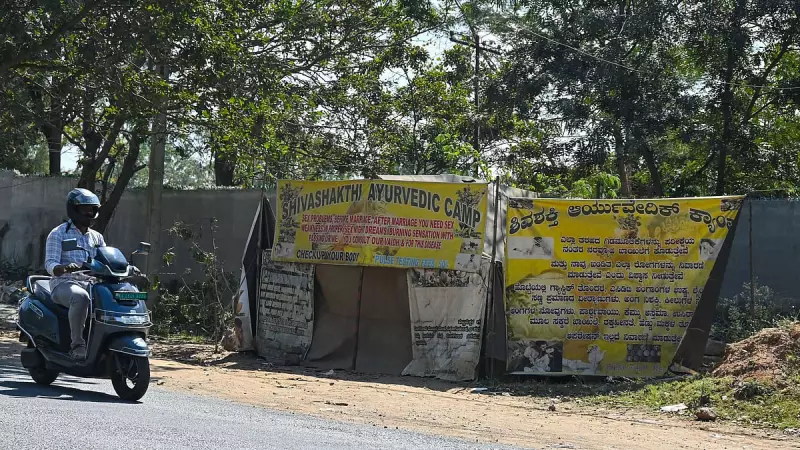
In a shocking case from India's tech capital, a software engineer desperate for solutions to sexual health issues after marriage was allegedly swindled out of a staggering Rs 48 lakh by a fraudulent practitioner. The incident highlights a disturbing trend where unqualified sex health quacks, once a common sight on Bengaluru's main roads, have now shifted their operations to the city's less visible backstreets and makeshift setups.
The Costly Deception in Kengeri
The victim, a software engineer, sought help for personal health concerns following his marriage. His search led him to a quack operating out of a makeshift tent near the Kengeri area of Bengaluru. Trusting the practitioner's promises of a cure, the engineer began a prolonged and expensive course of "treatment." Over time, the quack systematically extracted massive sums of money, culminating in a total loss of Rs 48 lakh for the victim, as reported on 21 December 2025.
A Shift from Main Roads to Shadows
This case is not an isolated event but part of a larger, concerning pattern. Authorities and observers note that fraudulent sex health clinics and unqualified doctors, who were once brazenly advertised on prominent city roads, have now gone underground. To evade increased scrutiny and law enforcement, these quacks have relocated to backstreets, temporary tents, and less regulated spaces. This move makes them harder to track and exposes vulnerable individuals to greater risk, as these hidden operations lack any form of oversight or medical legitimacy.

Consequences and a Call for Vigilance
The financial and emotional devastation suffered by the software engineer underscores the severe consequences of such fraud. Beyond the monetary loss, victims often experience worsened health conditions due to improper or dangerous treatments. This incident serves as a stark warning for the public, especially in a city like Bengaluru with a large young population. Citizens are urged to exercise extreme caution and to seek treatment only from licensed medical professionals at reputable healthcare institutions. The case also points to the need for continued and targeted enforcement actions against these clandestine operations that prey on people's insecurities and lack of awareness.






