Ensuring a child's healthy vision begins much earlier than many Indian parents realise. According to a leading pediatric eye specialist, the first comprehensive eye examination should happen in infancy, setting the stage for a lifetime of clear sight.
The Critical Timeline for Children's Eye Check-ups
Dr Rajesh Prabhu, a senior consultant in pediatric ophthalmology and squint at Coimbatore's Sankara Eye Hospital, provides a clear roadmap. He stresses that eye check-ups should ideally commence when a child is just six months old. This is followed by another essential screening at three years of age, just before the child starts school. After this, annual eye examinations are recommended to monitor development closely.
This early start is not a suggestion but a medical necessity. Dr Prabhu warns that many parents delay this crucial step, missing a vital window for intervention. "The eyes and visual system develop extremely rapidly during infancy," he explains. Identifying issues like congenital cataracts, misaligned eyes, or significant refractive errors at the earliest possible stage offers the best chance for successful treatment and normal visual development.

Why Early Detection is Non-Negotiable
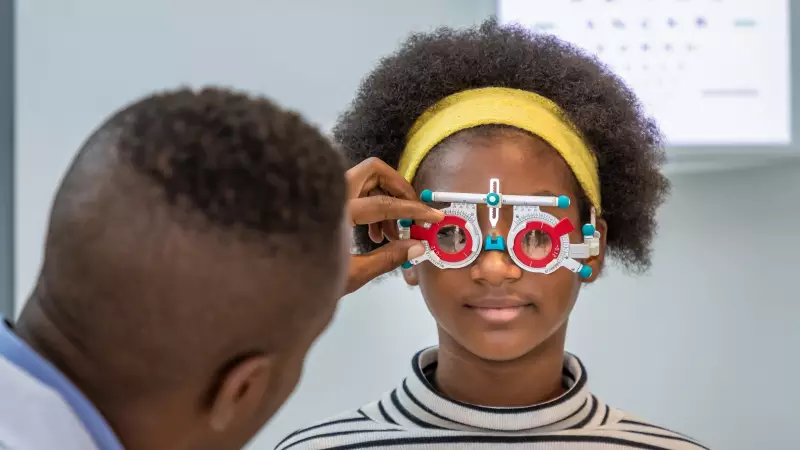
The core message from experts is unequivocal: timing is everything. Conditions such as amblyopia, commonly known as 'lazy eye', and strabismus (eye misalignment) are treatable, but only if caught early. "Delayed detection reduces the window for successful correction," Dr Prabhu emphasises. Early screening allows doctors to assess critical visual development milestones by evaluating how the eyes track objects, fixate, and align, and by checking pupil reflexes.
Beyond treating specific conditions, these early check-ups are vital for ruling out serious congenital diseases. The consequence of undetected vision problems can extend far beyond blurry sight. Children may experience difficulty with reading and writing, suffer from increased eye strain and headaches, and even exhibit behavioural issues. A child who seems disinterested or acts out in class might, in fact, be struggling to see clearly.
Warning Signs Parents Must Watch For
While regular check-ups are paramount, parents should also be vigilant for subtle signs that may indicate a vision problem. Dr Prabhu lists several key behaviours to observe:
- Frequent rubbing of the eyes
- Noticeable squinting
- Excessive blinking
- Holding books, tablets, or toys unusually close to the face
Other red flags include a persistent head tilt when trying to focus, trouble following moving objects, an apparent avoidance of reading or screen-based tasks, regular complaints of headaches, eyes that seem misaligned, or unusual sensitivity to light.
For children who are prescribed glasses or diagnosed with an eye condition, more frequent monitoring than the annual check-up is essential to ensure their prescription remains accurate and their vision health is managed proactively.
By adhering to the recommended schedule—6 months, 3 years, before school, and annually thereafter—and staying alert to the warning signs, parents can take a powerful proactive step in safeguarding their child's visual future, ensuring that poor vision does not become a barrier to learning and development.