

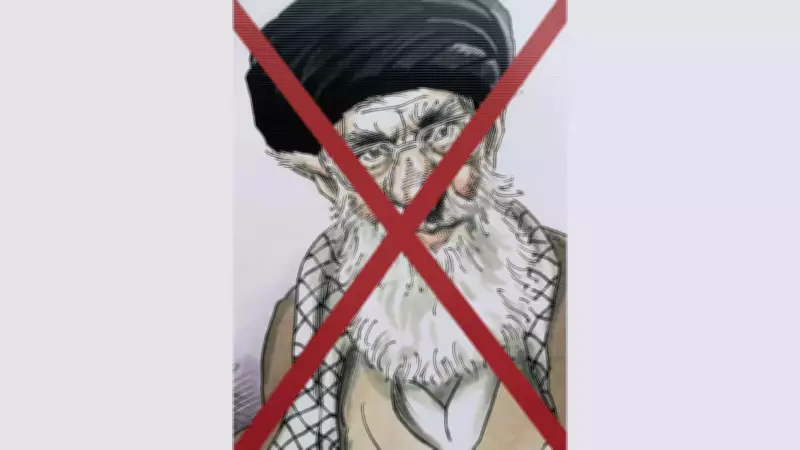
Iran's Leadership Enters Survival Mode Following Khamenei's Death
In the wake of Ayatollah Khamenei's passing, Iran's ruling establishment has decisively entered what analysts describe as a state of survival mode. This critical transition marks a period where the regime perceives threats not just as strategic challenges but as existential dangers to its very existence.
A System Under Siege
The response from Tehran has been characterized by instincts typical of a system under siege. Officials are mobilizing resources and strategies with an intensity that underscores their perception of imminent peril. This heightened state of alert is driving policy decisions across all levels of government.
Regime preservation has become the paramount objective, overshadowing other diplomatic and economic considerations. The leadership's actions are now primarily focused on ensuring continuity and stability within Iran's political framework.

Regional Implications and Gulf States
This survival-focused approach has significant implications for the broader Middle East region. Gulf states, in particular, have found themselves directly in the crosshairs of Iran's defensive maneuvers. Tehran's willingness to escalate tensions and raise costs across the region reflects its determination to protect the regime at all costs.
The strategic calculus appears to prioritize short-term security over long-term regional relationships. This shift could potentially lead to increased instability in an already volatile part of the world.
Analysis of the Current Situation
Experts suggest that Iran's current posture represents a fundamental change in how the country engages with both internal and external challenges. The death of Khamenei has created a power vacuum that the establishment is desperately trying to fill while maintaining control.
The regime's actions indicate a belief that survival requires aggressive defense rather than diplomatic outreach. This mindset is likely to influence Iran's foreign policy decisions for the foreseeable future, with potential consequences for international relations and regional security dynamics.






