RML Hospital in Delhi Achieves Medical Milestone with Rare Heart Surgery
In a significant medical advancement, the Ram Manohar Lohia (RML) Hospital in Delhi has successfully conducted a highly complex and rare heart surgery on a patient diagnosed with situs inversus. This condition, which occurs in approximately 1 in 10,000 people, involves a mirror-image reversal of the internal organs, posing extraordinary challenges for surgical procedures.
Understanding Situs Inversus and Its Surgical Complexities
Situs inversus is a congenital anomaly where the thoracic and abdominal organs are positioned in a reversed or mirrored layout compared to their normal anatomical placements. For instance, the heart is located on the right side of the chest instead of the left, and the liver is situated on the left side rather than the right. This rare anatomical variation complicates surgical interventions, as standard techniques and approaches must be meticulously adapted to accommodate the reversed orientation.
The patient at RML Hospital required a critical heart surgery to address a severe cardiac condition. Given the situs inversus diagnosis, the medical team faced the daunting task of navigating the mirrored anatomy to perform the procedure safely and effectively.

Breakthrough in Minimally Invasive Cardiac Surgery
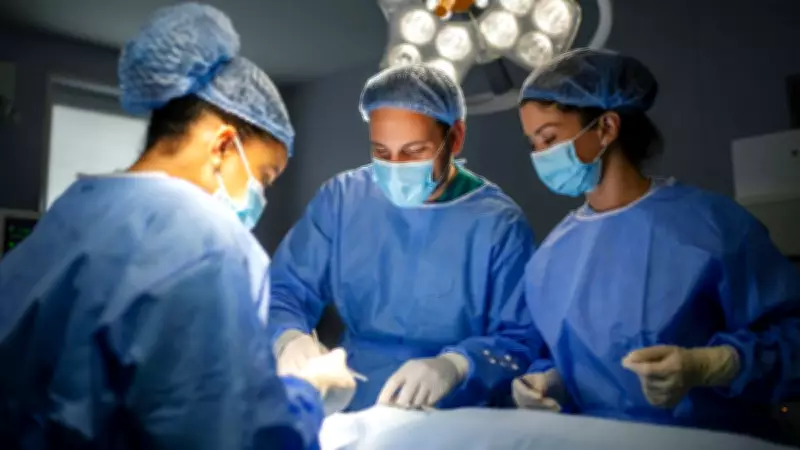
RML Hospital opted for a minimally invasive approach to conduct the heart surgery, which represents a groundbreaking achievement in the field of cardiac care. Minimally invasive surgery involves smaller incisions, leading to reduced pain, shorter hospital stays, and faster recovery times for patients compared to traditional open-heart surgery.
The surgical team, led by experienced cardiothoracic surgeons, utilized advanced imaging technologies and specialized instruments to precisely map the patient's reversed anatomy. This allowed them to perform the complex procedure with enhanced accuracy and minimal risk. The success of this surgery underscores the hospital's expertise in handling rare and challenging medical cases.
Implications for Cardiac Care in India
This rare heart surgery at RML Hospital not only marks a personal triumph for the patient but also highlights India's growing prowess in advanced medical treatments. The ability to successfully perform such a procedure on a situs inversus patient demonstrates the country's capacity to tackle complex health issues with innovation and skill.
Key factors contributing to this success include:
- Advanced surgical techniques tailored to rare anatomical conditions.
- State-of-the-art medical equipment and imaging systems.
- A highly trained and multidisciplinary team of healthcare professionals.
- Commitment to patient-centered care and safety protocols.
This achievement is expected to inspire further research and development in minimally invasive surgeries for rare disorders, potentially benefiting patients worldwide who face similar medical challenges.
Future Prospects and Patient Recovery
The patient is reported to be recovering well post-surgery, with positive outcomes observed in follow-up assessments. This case sets a precedent for future treatments of situs inversus and other rare anatomical variations in India and beyond.
As medical technology continues to evolve, such successes pave the way for more accessible and effective healthcare solutions for complex conditions. RML Hospital's accomplishment reinforces the importance of specialized training and continuous innovation in the medical field to address unique patient needs.