

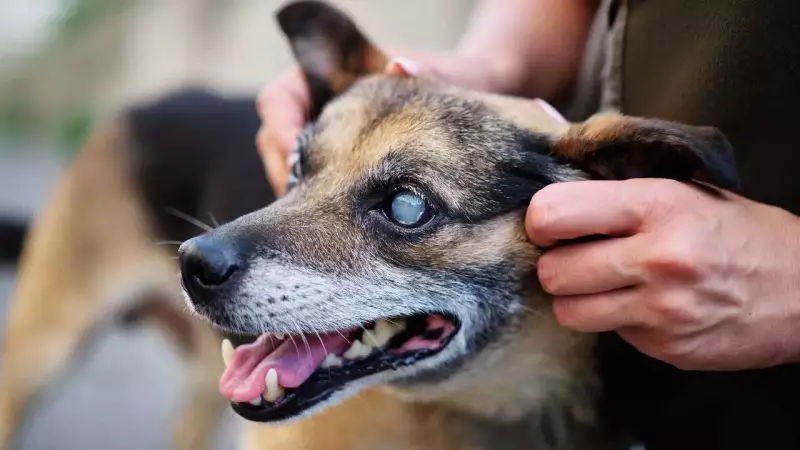
For many dog owners in India, their pet's expressive eyes are a window to its soul. It's concerning, therefore, when a cloudy, hazy appearance develops over time. This common sight often sparks worry about the dog's vision and health. While the cloudiness might look similar, it can signal two very distinct conditions: cataracts and nuclear sclerosis. Understanding the difference is crucial for every responsible pet parent.
Decoding the Fog: Cataracts in Dogs
Cataracts involve an opacity or clouding of the eye's natural lens. This condition can stem from various causes including genetics, diabetes mellitus, eye trauma, inflammation, or simply the aging process. The tell-tale sign is a white, gray, or opaque patch in one or both eyes. Unlike the common belief, cataracts themselves are not painful, but they significantly impair vision, leading to partial or complete blindness.
Complications from advanced cataracts, such as lens-induced uveitis or secondary glaucoma, can cause severe discomfort and pain. Importantly, cataracts are not exclusive to senior dogs; they can affect puppies and adults as well, especially in predisposed breeds.

The Aging Lens: Understanding Nuclear Sclerosis
On the other hand, nuclear sclerosis is a benign, age-related change considered a normal part of growing older in dogs. It typically appears in dogs over six or seven years of age. The condition presents as a symmetrical, bluish-gray haze in the lens, which might even appear clearer under certain lighting.
The most critical distinction is that nuclear sclerosis causes minimal to no vision loss. Dogs adapt remarkably well and continue to navigate familiar and new environments comfortably. No medical or surgical intervention is required for this condition, though regular veterinary check-ups are recommended to monitor overall eye health.
Diagnosis, Treatment, and Key Differences
A veterinarian uses an ophthalmoscope to diagnose the issue. If the cloudiness obscures the view of the retina at the back of the eye, cataracts are suspected. If the retina remains visible through the haze, it points toward nuclear sclerosis.
The treatment paths diverge completely. For vision-impairing cataracts, the only effective treatment is surgical removal of the cloudy lens. Modern veterinary ophthalmology offers highly successful procedures, such as phacoemulsification, which can restore sight. However, this specialized surgery is a significant financial commitment, often costing over $5,000 (approximately ₹4 lakhs or more).
For nuclear sclerosis, no treatment is needed. The focus is on routine monitoring during annual health exams.
Here are the essential differences summarised for quick reference:
- Appearance: Cataracts look white/gray/opaque; Nuclear Sclerosis is a blue-gray haze.
- Primary Cause: Cataracts from genetics, diabetes, injury; Nuclear Sclerosis from aging.
- Vision Impact: Cataracts cause partial to complete loss; Nuclear Sclerosis has minimal effect.
- Treatment: Cataracts require surgery; Nuclear Sclerosis needs no treatment.
- Pain: Cataracts can lead to painful complications; Nuclear sclerosis is painless.
When to Rush to the Vet
Pet owners should seek immediate veterinary attention if they notice sudden cloudiness, redness, squinting, or apparent pain in the dog's eye. Diabetic dogs developing lens opacity also need prompt assessment. Early diagnosis of cataracts is key to preventing irreversible damage and enabling successful surgical outcomes.
Observing your dog's behaviour can also offer clues. A dog with cataracts may hesitate in new places, bump into furniture, or act anxious. A dog with nuclear sclerosis will typically show none of these signs. While neither condition can be entirely prevented, proactive and regular veterinary care ensures your canine companion's eyes—and overall well-being—are protected throughout their life.






