

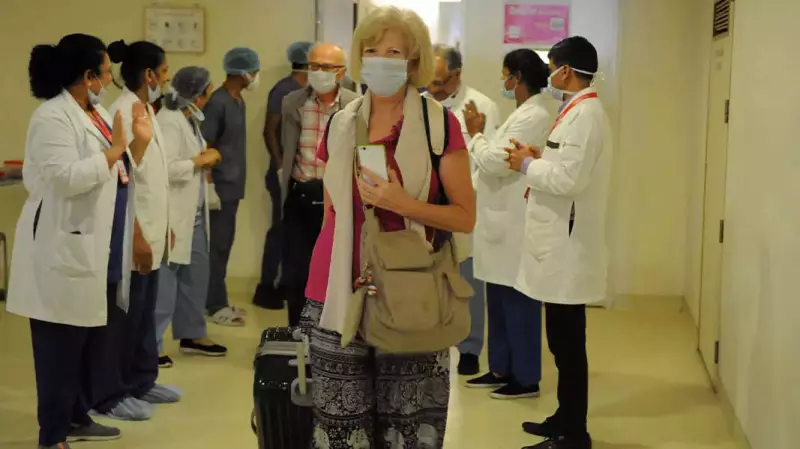
As global trade tensions threaten traditional sectors like manufacturing and tighter visa rules squeeze IT exports, India is actively searching for its next major economic catalyst. According to analysts Ashish Dhawan and Piyush Doshi, writing in early 2026, the answer may not lie on factory floors or in software parks, but within the country's modern, high-tech surgery rooms.
Medical Value Tourism: The Next Big Services Export
The sector in focus is Medical Value Tourism (MVT), where international patients travel to India for advanced, reliable, and significantly more affordable medical treatment. This isn't a niche market; it's a massive global industry currently valued at around $40 billion. Projections indicate this figure is set to explode, reaching an estimated $100 billion by the year 2030.
Despite its world-class infrastructure and talent, India's current slice of this lucrative pie is surprisingly modest. The country captures only 6-8% of the global medical tourism market. This places it far behind established leaders like Thailand, which commands a formidable 25% share, and Turkey, which holds between 10-15%.

India's Competitive Edge in Global Healthcare
So, why is there such optimism for India's future in this field? The nation possesses a powerful trifecta of advantages that few competitors can match. First, it boasts a deep and extensive pool of highly skilled doctors and surgeons, many trained at premier institutions globally. Second, its network of private hospitals features state-of-the-art, modern technology comparable to the best in the West. The third, and perhaps most decisive factor, is its unparalleled cost advantage, offering complex procedures at a fraction of the price charged in the US or Europe.
Targeting a Quarter of the Global Market
Leveraging these core strengths, experts believe India can set an ambitious yet credible target. The goal is to transform the country's medical tourism footprint from a single-digit player into a dominant force, capturing a substantial 25-30% share of the projected $100 billion market by the end of the decade. Achieving this would not only generate massive foreign exchange earnings but also solidify India's reputation as a global hub for excellence and value in healthcare services, turning soft power into hard economic gains.






