

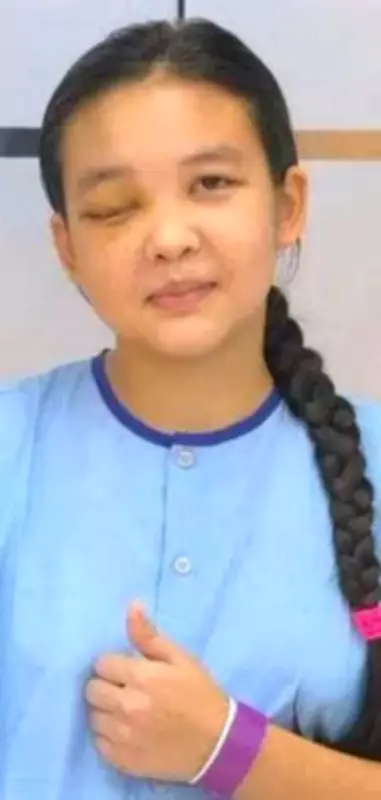
Kazakh Teenager's Vision Restored Through Delicate Neurosurgery in Ghaziabad
In a remarkable medical achievement, a 13-year-old girl from Kazakhstan has regained her sight after undergoing a complex surgical procedure at a hospital in Ghaziabad. Iligay Sarsebek, hailing from Shymkent in Kazakhstan, had been suffering from a bulging right eye and gradual vision loss for an entire year before completely losing vision in the affected eye.
International Consultation Leads to Diagnosis
The teenager's medical journey began when Indian doctors first assessed her condition during an international outpatient consultation held in Shymkent around the end of January. After thorough examination, medical specialists determined that Iligay's symptoms were caused by a rare nerve tumor located behind her eye. This diagnosis revealed an optic glioma—a slow-growing tumor typically found in children that had been progressively affecting her vision.
Medical imaging scans showed the tumor had extended toward the brain, raising significant concerns about potential neurological complications if left untreated. The tumor's location and growth pattern presented a serious medical challenge that required immediate attention.

Choosing Advanced Surgical Intervention
After receiving comprehensive counseling about various treatment options including chemotherapy, radiotherapy, and surgical intervention, Iligay's family made the decision to pursue advanced surgical treatment in India. The teenager was subsequently admitted to Max Super Speciality Hospital in Vaishali, where a team of specialists meticulously planned a procedure to carefully remove the tumor while preventing any further intracranial damage.
Dr. Gaurav Bansal, senior director of neurosurgery at the hospital, explained the complexity of the case: "The location of the tumor made surgery particularly challenging. Our primary objective was complete removal while preventing any further damage to the brain. Given the extensive spread of the tumor, removing the affected eye along with the tumor and reconstructing the area emerged as the safest and most effective option."
The Delicate Surgical Procedure
The operation, which took place in February 2026, lasted approximately four to five hours and employed a sophisticated skull base-oriented microsurgical approach. This technique allowed surgeons to safely access deeper anatomical structures while meticulously protecting surrounding nerves and blood vessels from potential damage.
Since vision in the affected eye had already been completely lost and the tumor had spread extensively, surgical specialists made the decision to remove the diseased eye along with the tumor. Following the removal, medical professionals placed an implant and performed reconstruction procedures to facilitate proper healing and recovery.
Expert Surgical Planning and Execution
Dr. Gaurav Batra, consultant neurosurgeon involved in the procedure, emphasized the importance of careful preparation: "Meticulous planning enabled us to create a safe surgical corridor and preserve vital surrounding anatomy. Timely intervention proved absolutely crucial in preventing the tumor from extending to the optic chiasm and other critical neurological structures."
The successful surgery has allowed Iligay to return to her normal life with restored vision capabilities, marking a significant medical triumph in treating rare pediatric tumors.
Recognizing Early Warning Signs
Medical experts note that early detection of optic nerve tumors can significantly improve treatment outcomes. Warning signs that parents and caregivers should watch for include:

- Gradual, painless vision loss that develops over time
- Persistent bulging of one or both eyes
- Development of a squint or misalignment of the eyes
- Headaches accompanied by visual symptoms
- Behavioral changes such as difficulty reading or frequently bumping into objects
This case highlights the importance of international medical collaboration and the advanced neurosurgical capabilities available in Indian healthcare institutions. The successful treatment of this rare pediatric condition demonstrates how timely intervention and sophisticated surgical techniques can restore quality of life for patients facing complex medical challenges.





