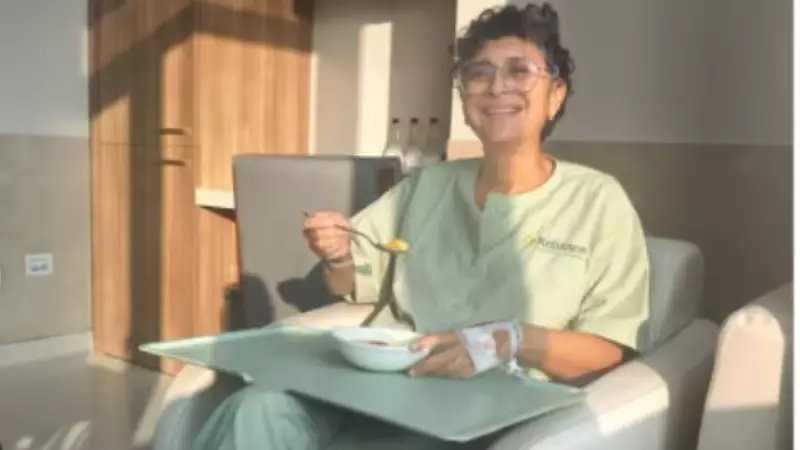
Renowned filmmaker Kiran Rao, celebrated for directing 'Laapataa Ladies', began the new year of 2026 facing an unexpected health challenge. The director underwent an emergency appendectomy at Mumbai's Sir HN Reliance Foundation Hospital after being diagnosed with appendicitis.
A New Year Interrupted by Medical Emergency
Kiran Rao was preparing to welcome 2026 with celebrations when she experienced severe abdominal pain. This prompted her to seek immediate medical attention, leading to the diagnosis of an inflamed appendix. The condition required swift surgical intervention.
The surgery was performed successfully by surgeon Dr. Kayomarz Kapadia using a minimally invasive laparoscopic technique. The inflamed appendix, measuring 12 mm in diameter, was removed via a 10.5 mm catheter. Following the procedure, Rao was discharged from the hospital and has since returned home to continue her recovery.

Recovery with Humor and Gratitude
Taking to Instagram, Kiran Rao shared an update on her health with characteristic wit. She posted, "Here I was, all ready to party my way into 2026, when my appendix sent me a reminder to slow down, breathe deep, and give thanks." Her message reflected a philosophy of ignoring the drama of the situation.
She expressed deep gratitude to her family, including ex-husband Aamir Khan, and her medical team for their support. Rao also revealed an unusual post-surgery development: her body had an allergic reaction that caused her lips to swell, a detail her friends later joked about.
Understanding Appendicitis: Causes and Symptoms
Appendicitis occurs when the appendix, a small tube-shaped pouch attached to the large intestine, becomes blocked. This blockage can be caused by stool, infection, or inflammation, leading to a rapid buildup of bacteria. The resulting inflammation is painful and dangerous, with the risk of the appendix rupturing.
While the condition is most common in individuals aged 10 to 30 years, Kiran Rao's experience highlights that it can affect people of any age. Key symptoms to watch for include:
- Pain that often starts near the navel and shifts to the lower right abdomen.
- Pain that worsens with movement, coughing, or walking.
- Nausea, vomiting, and loss of appetite.
- Low-grade fever, constipation, or diarrhea.
Medical experts, including the Cleveland Clinic, stress that symptoms can vary, especially in children and pregnant patients. A rapid worsening of pain requires immediate medical attention.
Treatment and Road to Recovery
The standard treatment for appendicitis is an appendectomy, the surgical removal of the appendix. The laparoscopic method, as performed on Rao, is considered the gold standard. It involves small incisions, leading to less pain, minimal scarring, and a faster recovery compared to open surgery.
According to the Mayo Clinic, this surgery is crucial to prevent peritonitis, a severe abdominal infection that can occur if the appendix ruptures. Most patients can return home within 1 to 2 days after a laparoscopic procedure. Patients are encouraged to resume light activities quickly but must avoid heavy lifting for several weeks.
Full recovery, where energy levels return to normal, typically takes 2 to 4 weeks. Maintaining hydration, eating high-fiber foods, and monitoring for fever are important during this period.
While there is no guaranteed way to prevent appendicitis, a diet rich in fiber from fruits, vegetables, and whole grains may help reduce the risk of blockages. Regular exercise, proper hydration, and managing gastrointestinal health are also beneficial. Rao's case serves as a timely reminder not to ignore persistent abdominal pain and other initial symptoms.