

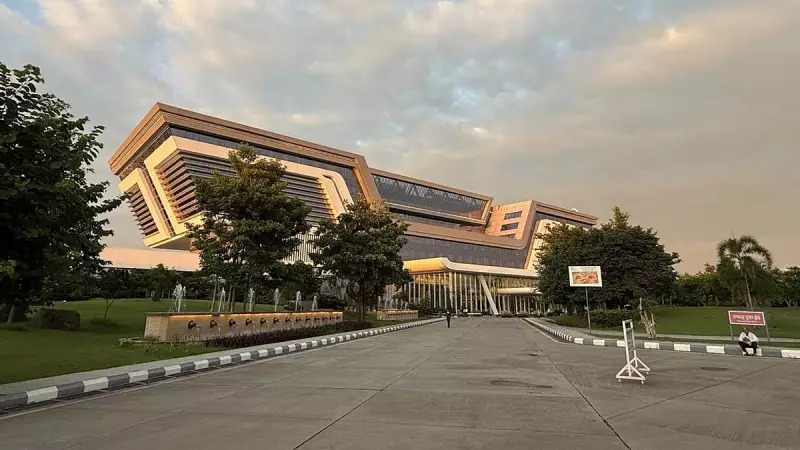
The landscape of cancer care in Central India has been fundamentally transformed with the National Cancer Institute (NCI) in Nagpur solidifying its position as the region's undisputed premier hub for oncology treatment and research. This state-of-the-art facility, an extension of the Tata Memorial Centre (TMC) in Mumbai, is now providing comprehensive, cutting-edge care, significantly reducing the need for patients from the central and eastern parts of the country to travel to metropolitan cities.
A Vision for Accessible, Advanced Cancer Care
Established under the leadership of the Department of Atomic Energy, the National Cancer Institute represents a monumental step in decentralizing high-quality cancer treatment in India. The institute's primary mission is to bridge the critical gap in accessibility to advanced oncology services for the vast population of Central India. Dr. Shripad Banavali, the esteemed Director of Academics at Tata Memorial Centre, emphasized that the Nagpur facility is now functioning as a "fully operational tertiary cancer care centre", offering the entire spectrum of services from diagnosis and surgery to chemotherapy, radiotherapy, and palliative care.
The institute is part of a strategic network that includes the Homi Bhabha Cancer Hospital & Research Centre. This integration ensures that protocols, treatment quality, and research initiatives are on par with the flagship Tata Memorial Hospital in Mumbai. The focus extends beyond treatment to encompass robust training programs for oncologists, nurses, and technicians, thereby creating a sustainable ecosystem for cancer care in the region.

Comprehensive Services and Cutting-Edge Technology
What sets the National Cancer Institute apart is its comprehensive suite of advanced medical technologies and specialized departments. The facility is equipped to handle the most complex cancer cases with a multidisciplinary team approach. Key features and services that establish its hub status include:
- Advanced Radiotherapy: The institute houses sophisticated radiation therapy equipment, including Linear Accelerators (LINAC), which allow for precise targeting of tumors while minimizing damage to surrounding healthy tissue.
- Specialized Surgical Oncology: A team of expert surgical oncologists performs complex cancer surgeries, including minimally invasive and robotic-assisted procedures where applicable.
- Systemic Therapy: The medical oncology unit provides the latest chemotherapy, immunotherapy, and targeted therapy protocols.
- Diagnostic Precision: With advanced pathology, radiology (including MRI and CT scans), and nuclear medicine departments, the institute ensures accurate and timely diagnosis, which is the cornerstone of effective treatment.
- Research and Clinical Trials: As a research hub, the NCI actively participates in and conducts clinical trials, giving patients access to the newest and most promising therapies not yet widely available.
The physical infrastructure is designed to be patient-centric, with a large capacity for in-patient and out-patient care. This scale is crucial for addressing the significant patient burden from states like Maharashtra, Madhya Pradesh, Chhattisgarh, Telangana, and Odisha.
Impact and the Road Ahead for Central India
The emergence of the National Cancer Institute as a central hub has had profound implications. Firstly, it has drastically reduced the financial and emotional strain on patients and their families who previously had to relocate to Mumbai or Delhi for prolonged treatment. This accessibility can lead to earlier diagnosis and treatment initiation, directly improving survival outcomes.
Secondly, the institute acts as a major referral and training center for smaller hospitals and healthcare setups across Central India. By standardizing treatment protocols and building local expertise, it elevates the overall quality of oncology care in the entire region. The academic programs are nurturing the next generation of cancer specialists, ensuring long-term sustainability.

Looking forward, the institute is poised to expand its role in preventive oncology and community outreach. Experts like Dr. Banavali highlight the importance of integrating prevention, early detection, treatment, and palliative care into a seamless continuum. The hub's growth also aligns with the national goal under the National Cancer Grid to create a uniform standard of care across the country.
In conclusion, the National Cancer Institute in Nagpur is no longer just a hospital; it is a beacon of hope and a center of excellence. Its evolution into the primary cancer treatment hub for Central India marks a pivotal chapter in the nation's fight against cancer, demonstrating a successful model of making world-class healthcare accessible beyond the major metros.





