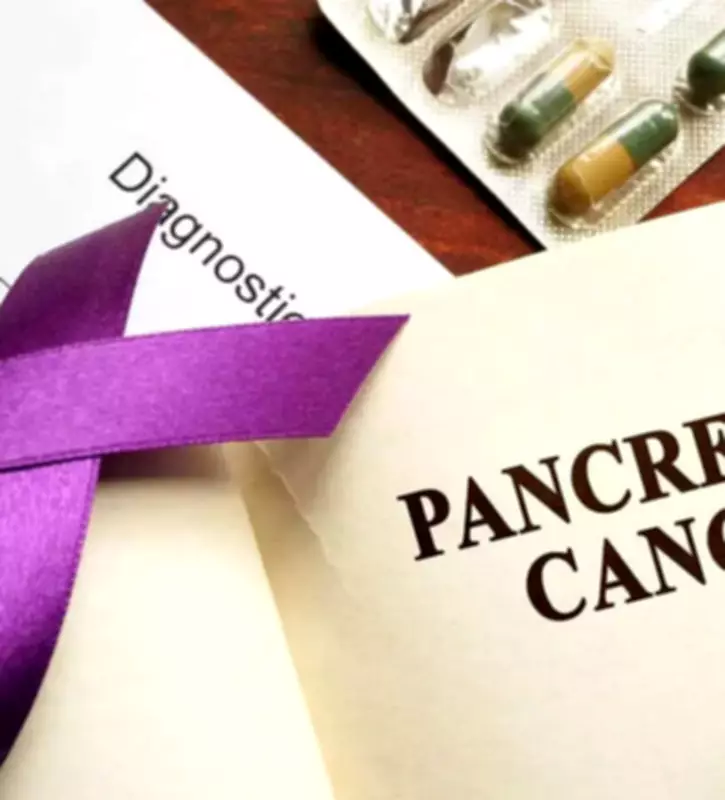
A groundbreaking development in oncology has emerged with the introduction of a new daily pill that offers a glimmer of hope for patients battling advanced pancreatic cancer. This often-fatal disease, known for its aggressive nature and limited treatment options, may soon have a more manageable therapeutic approach.
How the New Pill Works
The medication, designed to be taken orally once a day, targets specific genetic mutations commonly found in pancreatic cancer cells. By inhibiting the growth signals driven by these mutations, the pill aims to slow down or halt the progression of the disease. This targeted therapy represents a significant shift from traditional chemotherapy, which often affects both cancerous and healthy cells.
Clinical Trial Results
In recent clinical trials, the pill demonstrated encouraging results. Patients who received the treatment showed improved survival rates and a better quality of life compared to those on standard therapies. The side effects were reported to be manageable, with most patients experiencing mild to moderate symptoms such as fatigue and nausea.

Patient Perspectives
For patients like John, a 62-year-old diagnosed with advanced pancreatic cancer, the new pill has been a lifeline. 'After being told I had only months to live, this treatment has given me more time with my family and a renewed sense of hope,' he shared. Stories like John's underscore the potential impact of this therapy on individuals and their loved ones.
Expert Opinions
Oncologists are cautiously optimistic about the new pill. Dr. Sarah Thompson, a leading pancreatic cancer specialist, noted, 'While this is not a cure, it is a significant step forward. It provides a new option for patients who have exhausted other treatments.' However, experts emphasize that further research is needed to determine long-term efficacy and to identify which patients are most likely to benefit.
Challenges and Future Directions
Despite the promise, challenges remain. The pill is only effective in patients with specific genetic markers, which are present in a subset of pancreatic cancer cases. Additionally, the cost of targeted therapies can be prohibitive, raising concerns about accessibility. Researchers are now exploring combination therapies and ways to overcome resistance that may develop over time.
Conclusion
The arrival of this new daily pill marks a rare moment of optimism in the fight against advanced pancreatic cancer. As clinical trials continue and more data becomes available, there is hope that this treatment could become a standard part of care, offering patients not just extended life, but also a better quality of it.