

Noida Doctors Perform Critical Procedure to Save Toddler After Battery Ingestion
In a remarkable medical intervention, doctors at a private hospital in Noida have successfully saved a 20-month-old girl who swallowed a lithium button battery, commonly found in toys and small electronic devices. The incident underscores the severe and rapid dangers posed by such batteries when ingested by young children.
Early Symptoms Lead to Swift Diagnosis
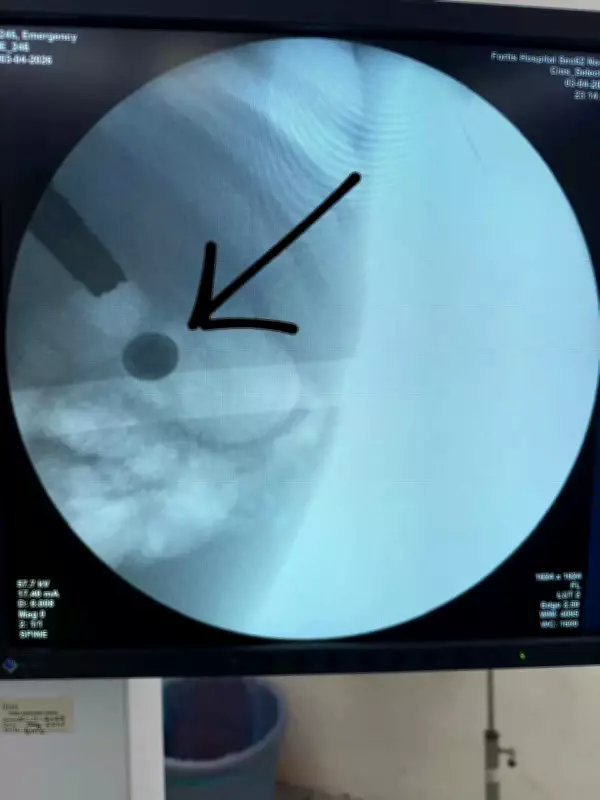
In early April, the child's parents became concerned when she exhibited unusual irritability and restlessness. They promptly took her to a private hospital, where an X-ray revealed a circular foreign object lodged in her stomach. She was immediately transferred to Fortis Hospital in Noida for specialized care.
At Fortis, doctors performed an upper gastrointestinal endoscopy and confirmed the presence of a lithium button battery. The parents suspected the battery had come from one of her favorite toys, highlighting a common household hazard.

Complex Removal Procedure and Medical Insights
Dr. Shivam Kalia, who led the treatment, explained the challenges faced during the procedure. "Initially, the battery could not be identified as it was lying beneath the food bolus," he said. "We first removed the food and then extracted the lithium battery, measuring 5 to 8 mm, endoscopically. We also assessed the surrounding mucosa for any early signs of injury."
Dr. Kalia detailed the scientific mechanism behind the danger: when lithium batteries contact moist tissue, they generate an electrical current that produces hydroxide ions, creating a highly alkaline environment. This can cause rapid tissue damage within just two hours of ingestion.
"If not removed promptly, such batteries can cause burns in the esophagus or stomach lining, leading to complications like deep ulceration, perforation, and potentially life-threatening bleeding if adjacent blood vessels are affected," he warned. The risk is especially high in young children, as ingestion often goes unwitnessed and early symptoms may be nonspecific.
Timely Intervention Prevents Severe Complications
In this case, early imaging and swift action proved critical. The battery was removed within a narrow time window, limiting exposure and reducing complication risks. The child remained clinically stable post-procedure, resumed oral intake, and was discharged after a short observation period with no immediate adverse effects.
Dr. Kalia emphasized the importance of vigilance: "Timely diagnosis depends on maintaining a high index of suspicion. Symptoms such as sudden irritability, drooling, vomiting, or refusal to eat should not be overlooked, especially in toddlers."
Safety Recommendations for Parents
With lithium button batteries prevalent in household items like remote controls, toys, watches, and small electronics, Dr. Kalia advised parents to ensure these are securely stored and kept out of children's reach. Early medical attention can significantly improve outcomes in what can otherwise become a life-threatening emergency.
This incident serves as a stark reminder of the hidden dangers in everyday objects and the critical role of prompt medical response in pediatric emergencies.

