Groundbreaking Case in Mumbai: Targeted Oral Therapy Saves Toddler from Rare Blood Cancer
A recent medical case from Mumbai has underscored a significant evolution in the treatment of childhood cancers, challenging long-standing protocols and offering new hope. The patient, a child barely two years old, was diagnosed with an exceptionally rare and fast-moving form of blood cancer, presenting a complex clinical scenario.
A Critical and Complex Presentation
Upon arrival at the hospital, the disease had already disseminated extensively, affecting multiple parts of the young body. Compounding the severity, the child also battled a concurrent infection, rendering the administration of traditional, high-intensity chemotherapy particularly risky and potentially life-threatening.
For decades, chemotherapy has been the cornerstone of pediatric blood cancer treatment. However, its efficacy is heavily contingent on the patient's ability to withstand the rigorous and often toxic regimen. This case demanded a more nuanced, meticulous, and individualized approach to care.

The Shift to Personalized, Targeted Treatment
After a comprehensive evaluation, the medical team opted for a specific oral targeted therapy. This approach represents a relatively novel advancement in pediatric oncology, though it has seen increasing application in adult cancers such as melanoma and lung cancer.
The primary objective was precise: to selectively attack the cancerous cells while minimizing collateral damage to healthy tissues and organs. The results were profoundly positive and transformative. Over time, the malignancy receded into remission without the severe, debilitating side effects typically associated with aggressive chemotherapy.
Life After Treatment: A Normal Childhood Restored
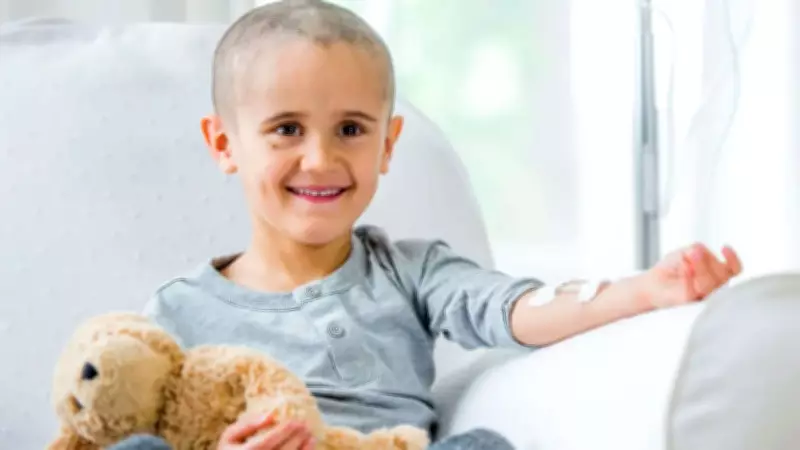
Years following the intervention, the child continues on this maintenance therapy and leads a life indistinguishable from his peers. He attends school, participates in daily chores, and meets all expected developmental milestones. This outcome powerfully illustrates a pivotal trend in children's cancer care: the growing emphasis on personalized medicine.
Innovative strategies for managing challenging pediatric malignancies are gradually reshaping the landscape, particularly through the use of targeted medications, immunotherapies, and oral tablet formulations.
The Broader Context: Awareness, Access, and Challenges
While these advanced therapies are not universally applicable or effective for all patients, they constitute a crucial alternative in situations where conventional treatments are either unsafe or ineffective. Concurrently, there is a growing public awareness of childhood cancers globally.
The perceived increase in cases requires careful interpretation. Enhanced diagnostic techniques, improved healthcare access, and greater vigilance among parents and primary care providers mean conditions that might have previously gone undetected are now identified and addressed promptly. Early detection remains a critical factor in improving prognosis, especially for cancers that can progress rapidly.
However, significant hurdles persist. Ensuring equitable access to cutting-edge treatments, particularly in resource-limited settings, is a major challenge. Targeted therapies can be costly, and long-term data on their efficacy and safety in pediatric populations is still being gathered.
Medical professionals must navigate a delicate balance between embracing innovation and ensuring broad accessibility, preventing medical progress from exacerbating healthcare disparities.
A Future Fueled by Resilience and Research
The resilience of young patients and the rapid pace of oncological research provide enduring optimism. Cases like this one, once considered extraordinary, are beginning to exemplify achievable outcomes. Sustained investment in research, early identification programs, and efforts to democratize care are collectively improving the outlook for children diagnosed with cancer.
Every incremental advancement in pediatric oncology is vital. As this case demonstrates, even a single patient's journey can illuminate a new path forward for many others.
(Dr Juhi Shah, Consultant - Pediatric Haematology Oncology & BMT, Fortis Hospital Mulund, Mumbai)