

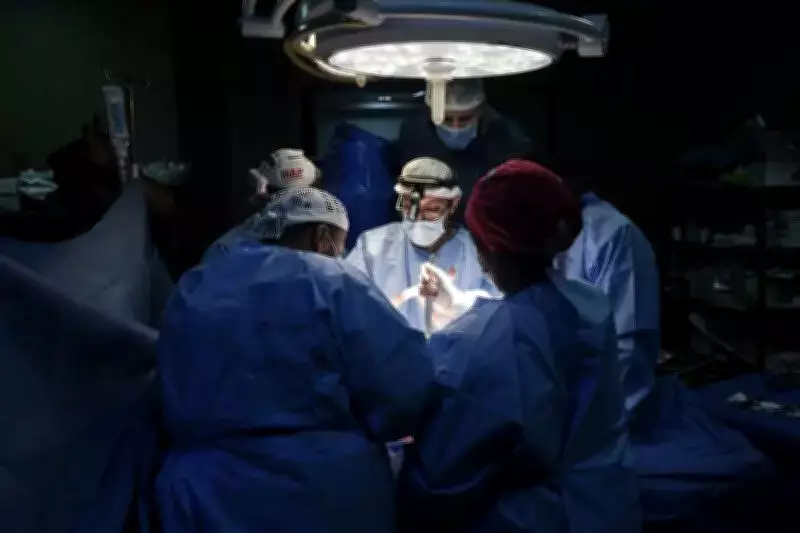
Pune Hospital Achieves Breakthrough in Complex Spinal Tumour Removal
In a remarkable medical achievement, a neurosurgical team at Pune's Sahyadri Hospital has successfully removed a massive 16.5 centimetre tumour from a patient's spinal cord. The rare, long-segment tumour extended from the brainstem through the cervical spine and down to the fourth thoracic level, presenting an exceptionally challenging surgical case.
Rare and High-Risk Surgical Intervention
Intramedullary tumours, which originate within the spinal cord itself, are relatively uncommon medical conditions. Cases involving multiple spinal levels are even more infrequent. What made this particular case especially critical was the tumour's extension into the medulla oblongata region of the brainstem. This area controls essential life functions including breathing and heart rate, elevating the surgical risk to an extraordinary level.
To ensure patient safety, surgeons had to meticulously open the spinal cord and carefully separate the tumour from surrounding neural tissue. Such delicate procedures carry substantial risk of permanent neurological damage, including potential paralysis or impairment of vital bodily functions if critical nerve pathways are compromised during surgery.

Advanced Surgical Techniques Enable Success
The surgical team employed sophisticated microsurgical methods combined with intraoperative neuro-monitoring technology. This real-time tracking system provides continuous alerts to surgeons about nerve stress during the procedure, allowing for immediate adjustments to protect neural function. Despite the tumour's immense size and complex location, the medical team managed to remove the entire growth in a single piece.
"This represented an exceptionally challenging case due to the tumour's substantial dimensions and its proximity to critical neural structures," explained Dr. Jaydev Panchawagh, senior consultant neurosurgeon at Sahyadri Hospital. "Our primary objective was to achieve maximum safe removal while preserving the patient's neurological function throughout the procedure."
Symptoms Often Misdiagnosed as Common Issues
Medical specialists emphasize that symptoms of spinal cord tumours frequently go unrecognized or are misdiagnosed as ordinary orthopedic problems. These warning signs include persistent neck or back pain, limb weakness, sensory changes, or loss of coordination. Such misdiagnoses commonly lead to significant delays in appropriate treatment.
In advanced stages, prolonged compression of the spinal cord can result in permanent damage that may not be reversible even after successful surgical intervention. This underscores the critical importance of early detection and timely medical response.
Importance of Early Detection and Specialized Care
Healthcare professionals stress that early evaluation through MRI imaging and prompt referral to specialized neuro-centres remain vital for optimal recovery outcomes. While results vary depending on tumour type and duration of symptoms, early intervention consistently represents the best defense against lasting paralysis and neurological impairment.
The successful completion of this complex surgery highlights the advancing capabilities of neurosurgical teams in India to handle exceptionally challenging spinal cases. It also serves as an important reminder about the necessity of recognizing spinal tumour symptoms early and seeking specialized neurological care without delay.






