

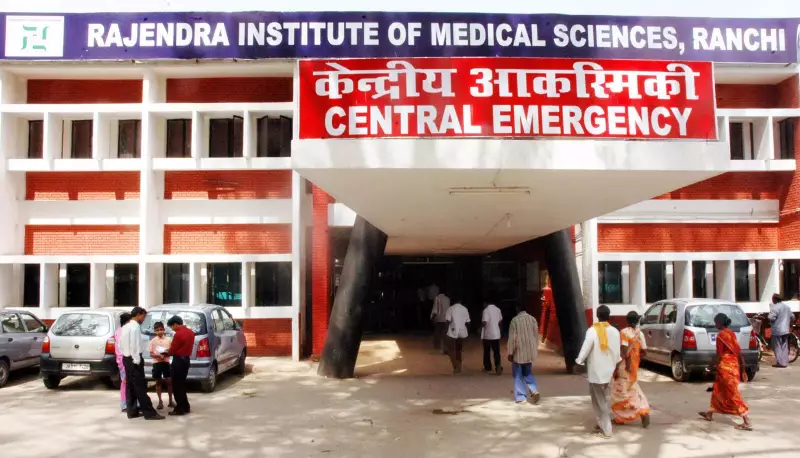
Rajendra Institute of Medical Sciences Accelerates Kidney Transplant Unit Launch in Ranchi
The Rajendra Institute of Medical Sciences (Rims) management in Ranchi has significantly accelerated preparations to launch comprehensive kidney transplant services at the institute. This major healthcare initiative has received crucial approval from the competent authority for kidney transplantation, with the formal licence currently awaited.
Comprehensive Planning and Infrastructure Development
Officials confirmed that detailed planning and groundwork for establishing the advanced facility have been actively initiated. A dedicated kidney transplant unit will be established on the Rims campus, featuring comprehensive medical infrastructure designed to provide complete transplant care.
The proposed unit will be equipped with state-of-the-art facilities including:

- A modern operation theatre with advanced surgical equipment
- Specialized intensive care unit for post-operative monitoring
- Comprehensive dialysis services for pre and post-transplant care
- Complete diagnostic and laboratory facilities
Strategic Location Selection and Team Formation
Rims director Dr Raj Kumar emphasized that the management is carefully identifying a suitable location on the campus to ensure smooth, efficient and coordinated functioning of the transplant unit. The strategic placement will facilitate seamless integration with existing hospital services while providing optimal patient care pathways.
The Rims management has planned to constitute a specialized kidney transplant team comprising:
- Experienced nephrologists and transplant surgeons
- Trained nursing staff with transplant specialization
- Qualified paramedical personnel
- Support staff for comprehensive patient management
Equipment Procurement and Support Systems
Alongside human resource planning, the procurement of essential transplant-related equipment is being expedited through systematic processes. The director confirmed that tender and procurement processes for some critical machines are already underway, with arrangements being made to complete purchase of remaining equipment at the earliest possible timeline.
Plans have been finalized to ensure timely availability of:
- All required diagnostic tests for donor and recipient evaluation
- Essential medicines for transplant procedures
- Immunosuppressants for post-operative care
- Monitoring equipment for long-term patient follow-up
This comprehensive approach aims to establish a complete ecosystem supporting transplant procedures as well as extensive post-operative care, marking a significant advancement in specialized healthcare services for the region.






