Robotic Surgery Successfully Treats Recurrent Hiatus Hernia in 68-Year-Old Patient
Mr. Shivmurthi, a 68-year-old resident of Hassan, initially experienced debilitating symptoms including gastrointestinal distress, persistent vomiting, and severe headaches that disrupted his daily life. After consulting at a local hospital, he underwent laparoscopic surgery, which provided relief for nearly a decade. However, the symptoms eventually returned with increased intensity, becoming progressively harder to manage.
Worsening Symptoms and Critical Diagnosis
What began as sharp abdominal pain gradually escalated to central chest discomfort, accompanied by worsening headaches. Concerned for his father's health, Shivmurthi's son promptly admitted him to Manipal Hospital Whitefield for a comprehensive evaluation. During the checkup, doctors discovered an alarming heart rate of just 40 beats per minute, indicating severe bradycardia—a condition that significantly raises the risk of sudden cardiac arrest.
He was referred to Dr. Nikhil Shellagi, Consultant in Surgical Gastroenterology and Robotic Surgery, who diagnosed him with hiatus hernia. This condition occurs when part of the stomach protrudes into the chest cavity through an opening in the diaphragm. Given the complexity of his case, a repeat operation using conventional techniques posed risks of damage to the stomach, esophagus, heart, and lungs, leading Shivmurthi and his family to opt for robotic surgery.

Addressing Multiple Health Challenges
Before proceeding with surgery, Dr. Nikhil emphasized the need to first resolve Shivmurthi's cardiac issues. "Since the patient was malnourished and had multiple health issues including difficulty walking and a low heart rate associated with spinal problems, his overall condition needed to be optimized before surgery," explained Dr. Nikhil.
Under the supervision of Dr. Ashish Chauhan, Consultant in Cardiology at Manipal Hospital Whitefield, Shivmurthi received a permanent pacemaker implant to effectively treat his bradycardia. This intervention brought immense relief to his family, as his heart-related problems were finally stabilized.
Nutritional Support and Robotic Procedure
Despite this progress, Shivmurthi faced another hurdle: he was unable to take oral medications due to ongoing digestive issues. Dr. Anoop KR, Consultant in Gastrointestinal Science at the same hospital, inserted a naso-jejunal tube to bypass the stomach and deliver food and medication directly into the small intestine. "Initially, he was treated with antacids and medications, but as symptoms such as abdominal pain, recurrent vomiting and poor oral intake progressively worsened, a naso-jejunal tube was inserted to support nourishment," stated Dr. Anoop.
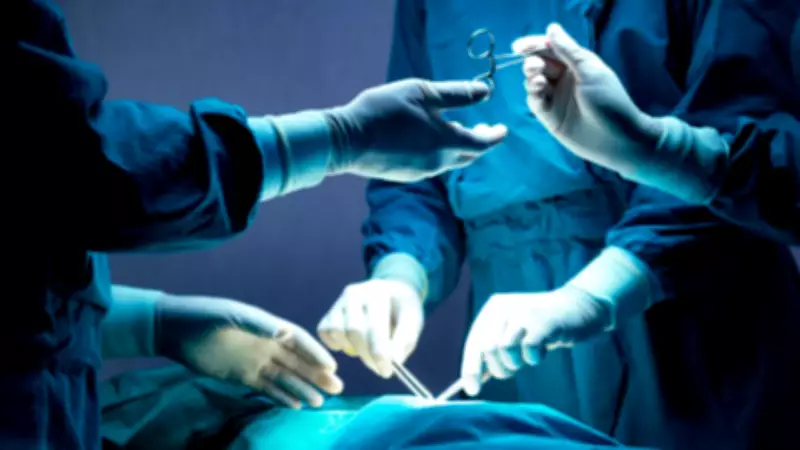
Over the next three weeks, Shivmurthi's condition improved significantly, making him physically fit for the complex robotic surgery. Unlike traditional methods, robotic-assisted surgery offers superior 3D visualization, enhanced precision, and greater dexterity. The robotic instruments allow for minimally invasive incisions that reduce impact on abdominal organs and minimize bleeding in scar tissue.
Successful Outcome and Recovery
After anxious hours in the waiting area, Shivmurthi's family received the welcome news from Dr. Nikhil that the surgery was successful. "Despite the complexity of a large recurrent hiatus hernia and prior surgical scarring, the redo robotic-assisted repair was completed successfully with meticulous dissection and restoration of anatomy," said Dr. Nikhil.
Today, Shivmurthi is recuperating well and has resumed his regular diet. In just three months, he has gained five kilograms, and his digestive problems have been fully resolved. While he occasionally experiences minor symptoms, medication helps manage them effectively, enabling him to lead a more pleasant and typical life. This case highlights the importance of a multidisciplinary approach and advanced robotic technology in treating complex medical conditions.