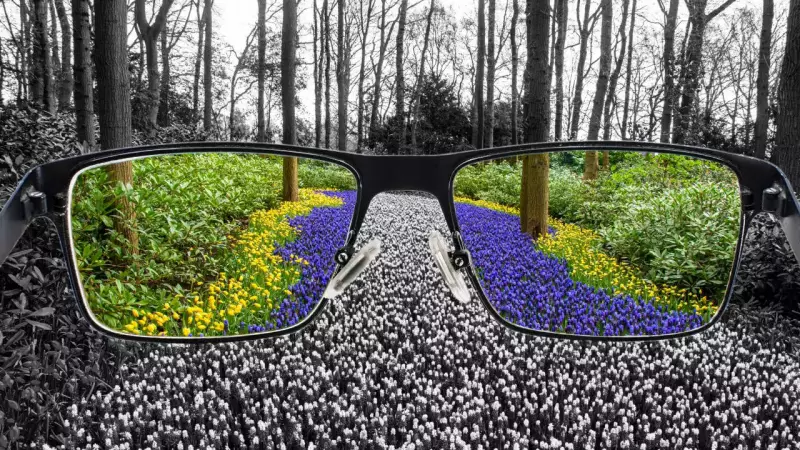
Did you know that colour blindness, or colour vision deficiency, is far more common than most people realise? According to data from the Colour Blind Awareness organisation, a staggering 300 million people globally live with this condition. Often, it goes undiagnosed, especially in mild cases, as individuals adapt to their unique perception of colours without realising it differs from the norm.
What Exactly Is Colour Blindness?
Colour blindness is a condition where a person is unable to see colours in the typical way, as defined by the American Academy of Ophthalmology. It typically involves difficulty distinguishing between certain hues. The most common form is red-green colour blindness, where these colours appear similar or muddled. Occasionally, issues with blue-yellow distinction also occur.
As per the National Eye Institute, this deficiency is usually genetic and runs in families. While there is no cure, special glasses and contact lenses can assist some people in differentiating colours better. Importantly, many adapt so well to mild forms that it hardly impacts daily life, which is why countless individuals remain unaware they have it.

Symptoms and Causes of Impaired Colour Vision
The symptoms can vary widely from mild to severe. If you are colour-blind, you might find it challenging to see:
- The difference between certain colours.
- How bright a colour is.
- Different shades of the same colour.
In most instances, colour blindness is congenital, meaning a person is born with it. However, other factors can also lead to colour vision problems later in life. These include:
- Certain eye diseases or general health conditions.
- Physical trauma to the eye or brain.
- Toxic effects from specific drugs.
- Metabolic or vascular diseases.
A Quick One-Minute Test You Can Try
Wondering about your own colour vision? Dr Joseph Allen, an optometrist based in Virginia, USA, recently demonstrated a simple, quick test on Instagram that can offer initial insight. The test uses Ishihara plates – circular images with dots of varying colours and sizes that form numbers or patterns.
"This eye test uses Ishihara plates to challenge your colour vision, helping you discover if you are colour-blind. It’s a fun and informative way to assess colour blindness," Allen explained. The process takes just about a minute to perform.
While this test can be a helpful indicator, it is crucial to remember that a formal diagnosis should always come from a qualified eye care professional. If the test suggests any difficulty, consulting an optometrist or ophthalmologist is the recommended next step.
Note: The information provided here is for educational purposes only and is not a substitute for professional medical advice. Always consult a qualified healthcare professional for any health concerns or before making changes to your health regimen.