

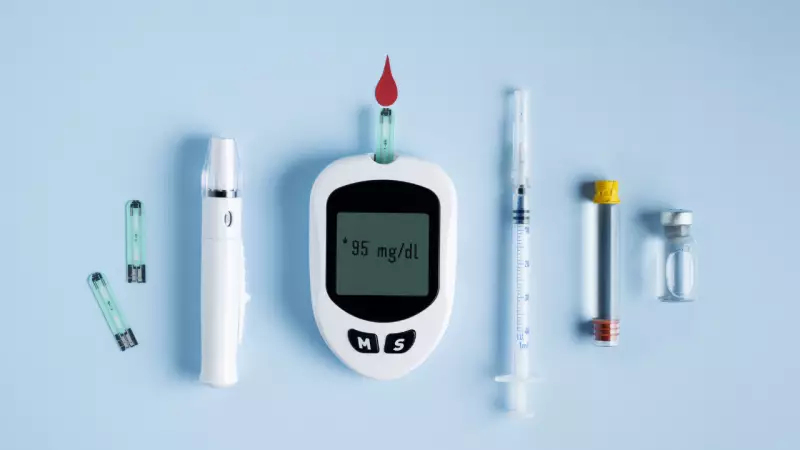
In a landmark move for global health, a long-debated and often overlooked form of diabetes has finally stepped into the official spotlight. The International Diabetes Federation (IDF) has granted formal recognition to Type 5 diabetes, a condition intrinsically linked to chronic malnutrition that impacts an estimated 20 to 25 million people worldwide, predominantly in regions of Asia and Africa.
The Long Road from Jamaica to Global Recognition
The story of this condition began decades ago. Back in 1955, physicians in Jamaica documented a puzzling phenomenon among young, lean patients. These individuals experienced severe fluctuations in blood sugar but showed none of the typical markers associated with Type 1 or Type 2 diabetes. Dubbed "J-type diabetes," the condition faded from mainstream medical discourse for years.
The World Health Organization (WHO) briefly acknowledged it in the 1980s as Malnutrition-Related Diabetes Mellitus (MRDM), only to retract the classification in 1999 due to what was deemed insufficient evidence. The tide turned thanks to persistent research led by experts like Dr. Meredith Hawkins from the Albert Einstein College of Medicine. Her team's work, including a pivotal 2022 clinical trial in south India, demonstrated how lifelong nutrient deficiencies can permanently stunt the development of the pancreas.

This results in a unique physiological profile: the pancreas produces insufficient insulin (a feature of Type 1 diabetes), but the body remains sensitive to insulin, unlike the resistance seen in Type 2. This evidence provided the robust scientific foundation the IDF needed to act.
Identifying and Treating a Distinct Disease
So, who is typically affected? Picture a teenager or young adult in rural India or sub-Saharan Africa. They present with classic diabetes symptoms—extreme thirst, frequent urination, unexplained weight loss, and fatigue—but with critical distinctions. Their Body Mass Index (BMI) is often below 19, there's a clear history of undernutrition, and they don't develop ketones easily even without insulin.
Diagnosis requires careful evaluation. The IDF working group, co-chaired by Dr. Hawkins and India's Dr. Nihal Thomas, recommends ruling out Type 1 antibodies and checking C-peptide levels. In resource-limited settings, a lean build coupled with sudden onset in youth is a major red flag.
Treatment for Type 5 diabetes is a delicate balance. Standard protocols can be dangerous. High-dose insulin, common for Type 1, risks fatal hypoglycemia when meals are missed—a frequent reality in contexts of poverty. The cornerstone of management is nutritional rehabilitation to support pancreatic recovery.
The IDF guidelines stratify patients. Those with some preserved pancreatic function (Group A) may start with low-dose drugs like glimepiride. Those more severely deficient (Group B) require carefully titrated, low-dose insulin. The treatment goal is a safer HbA1c level of under 7-8%, with close monitoring.
A Crucial Shift for India and Global Health Equity
This official recognition is a game-changer, especially for a country like India, which is home to over 100 million people with diabetes. Countless lean, young adults have been misdiagnosed with Type 1 or Type 2, leading to inappropriate and potentially harmful treatment. Dr. Hawkins has recounted tragic cases of young people in "food desert" areas dying from incorrect insulin prescriptions.
As Dr. Rahul Garg from F.H. Medical College in India notes, the recognition is long overdue and directly ties the condition to pancreatic damage caused by hunger. With diabetes numbers in Southeast Asia projected to swell from 107 million to 185 million by 2050, accurately identifying Type 5 diabetes can save lives daily.

Beyond individual care, this move highlights deep health inequities. It underscores that the global surge in diabetes is not monolithic and that low-income regions require tailored, context-specific healthcare solutions, not a one-size-fits-all approach. The IDF's endorsement is expected to accelerate research into biomarkers and affordable diagnostics, offering new hope for millions who have been historically overlooked by the medical mainstream.





