

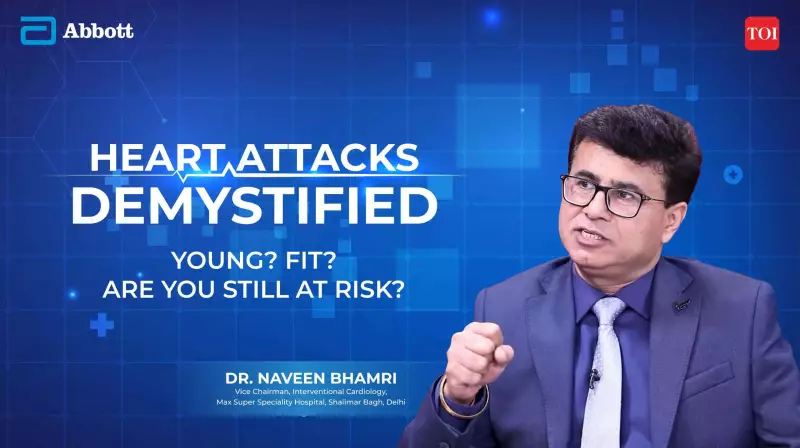
Alarming rise in heart attacks among seemingly young and fit individuals is a growing concern across India. In a recent episode of the 'Heart Attacks Demystified' podcast, aired on January 2, 2026, leading cardiologist Dr. Naveen Bhamri provided crucial insights into this worrying trend, demystifying risks and highlighting the future of heart care.
Why Are Young Adults at Risk?
Dr. Naveen Bhamri, Vice Chairman and Head of the Department of Interventional Cardiology at Max Super Speciality Hospital, Shalimar Bagh, Delhi, spoke with host Anisha Nayar Dhawan. He shed light on the complex factors driving cardiac conditions in younger populations. While fitness is beneficial, it does not grant complete immunity. Key risk factors include unmanaged stress, genetic predisposition, underlying conditions like hypertension or diabetes, and lifestyle choices related to diet and sleep.
The expert emphasized that ignoring early symptoms because of age can be dangerous. He detailed the early warning signs of heart disease that everyone, regardless of age, should take seriously. These often-overlooked signals can be the difference between timely intervention and a catastrophic event.

The Critical Role of Stress and Modern Diagnostics
A significant portion of the discussion focused on the profound impact of chronic stress on cardiovascular health. Dr. Bhamri explained how sustained high stress levels can trigger inflammatory responses and adversely affect heart function, making stress management a non-negotiable part of preventive care.
Fortunately, the field of cardiology is being transformed by technology. Dr. Bhamri shed light on breakthrough innovations and advanced diagnostic tools that allow for earlier and more accurate detection of heart issues. These technologies enable doctors to identify problems before they escalate into full-blown emergencies.
Future of Treatment: Minimally Invasive Procedures
The conversation moved to the latest treatment options that are improving patient outcomes. A major focus was on the shift towards minimally invasive procedures. These advanced techniques offer significant benefits over traditional open-heart surgery, including smaller incisions, reduced pain, shorter hospital stays, and faster recovery times.
Dr. Bhamri underscored a powerful, consistent message: timely intervention saves lives. Whether it's recognizing symptoms early, undergoing advanced screening, or opting for modern treatment, acting at the right moment is paramount. The podcast serves as a vital resource for understanding that heart health vigilance is essential for all age groups in today's fast-paced world.






