In a medical case that defies staggering odds, a woman from California, United States, has given birth to a perfectly healthy baby boy after experiencing an exceptionally rare form of ectopic pregnancy. This extraordinary story of survival challenges the typical understanding of such pregnancies, which are usually deemed non-viable and life-threatening.
A Pregnancy Against All Odds
The patient, a 35-year-old woman named Kelsey Hatcher from Santa Barbara, was initially informed that her pregnancy was ectopic. In a typical ectopic pregnancy, the fertilized egg implants outside the uterus, most commonly in a fallopian tube. These pregnancies cannot proceed normally and pose a severe risk of rupture and fatal bleeding, requiring immediate medical termination.
However, Kelsey's case was different. Further scans revealed her pregnancy was not in a fallopian tube but was an abdominal ectopic pregnancy. In this rare scenario, the embryo implants within the abdominal cavity, outside the reproductive organs entirely. The survival rate for the fetus in such cases is estimated to be about 1 in 10,000,000.

"When we first discovered it was an abdominal pregnancy, the chances of the baby surviving were almost zero," explained Dr. Melissa Grant, the lead obstetrician at the medical centre where Kelsey was treated. "Our primary concern was always the mother's safety, as these pregnancies carry a maternal mortality risk of up to 20%."
The High-Risk Journey to Delivery
Against medical expectations, Kelsey's pregnancy progressed. The fetus continued to grow, sustained by a unique blood supply that developed from the lining of her abdominal cavity. The medical team at the Santa Barbara facility embarked on a path of extremely vigilant, high-risk prenatal care.
Regular monitoring was crucial to watch for signs of internal bleeding or organ compromise. The plan was to deliver the baby via a scheduled surgery once the fetus reached a viable age, balancing the risks of prematurity against the dangers of continuing the pregnancy.
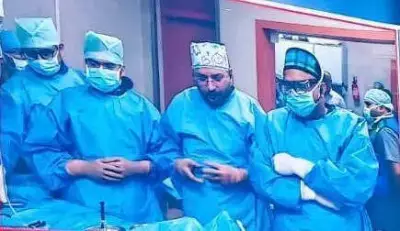
In a carefully orchestrated procedure, surgeons successfully delivered a healthy baby boy at 36 weeks gestation. The complex surgery involved navigating the abdominal cavity to safely access and remove the placenta, which was attached to organs outside the uterus, to prevent severe postpartum hemorrhage.
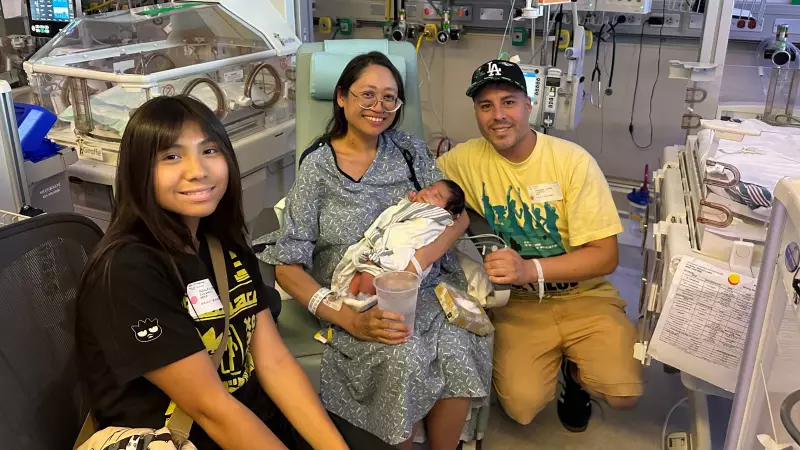
The baby, named Hudson, weighed a healthy 5 pounds and 10 ounces at birth and did not require any neonatal intensive care. Both mother and child recovered well from the groundbreaking delivery.
Medical Implications and a Message of Hope
This case, while extraordinary, does not change the standard medical protocol for ectopic pregnancies. Dr. Grant and other experts strongly emphasize that nearly all ectopic pregnancies are medical emergencies that require termination to save the mother's life. Kelsey's situation represents a one-in-a-million exception, not a new precedent.
"This is a miraculous case, but it should not give false hope," Dr. Grant stated. "The rule remains that ectopic pregnancies are not viable and are dangerous. Early diagnosis through ultrasound and prompt treatment are absolutely critical."
For Kelsey Hatcher and her family, the outcome is nothing short of a miracle. Her story highlights the incredible, sometimes unpredictable, nature of human pregnancy and the advancements in medical care that can manage such extreme complexities. It serves as a powerful narrative of hope and resilience while reinforcing the importance of trusting standard obstetric care for the vast majority of similar diagnoses.